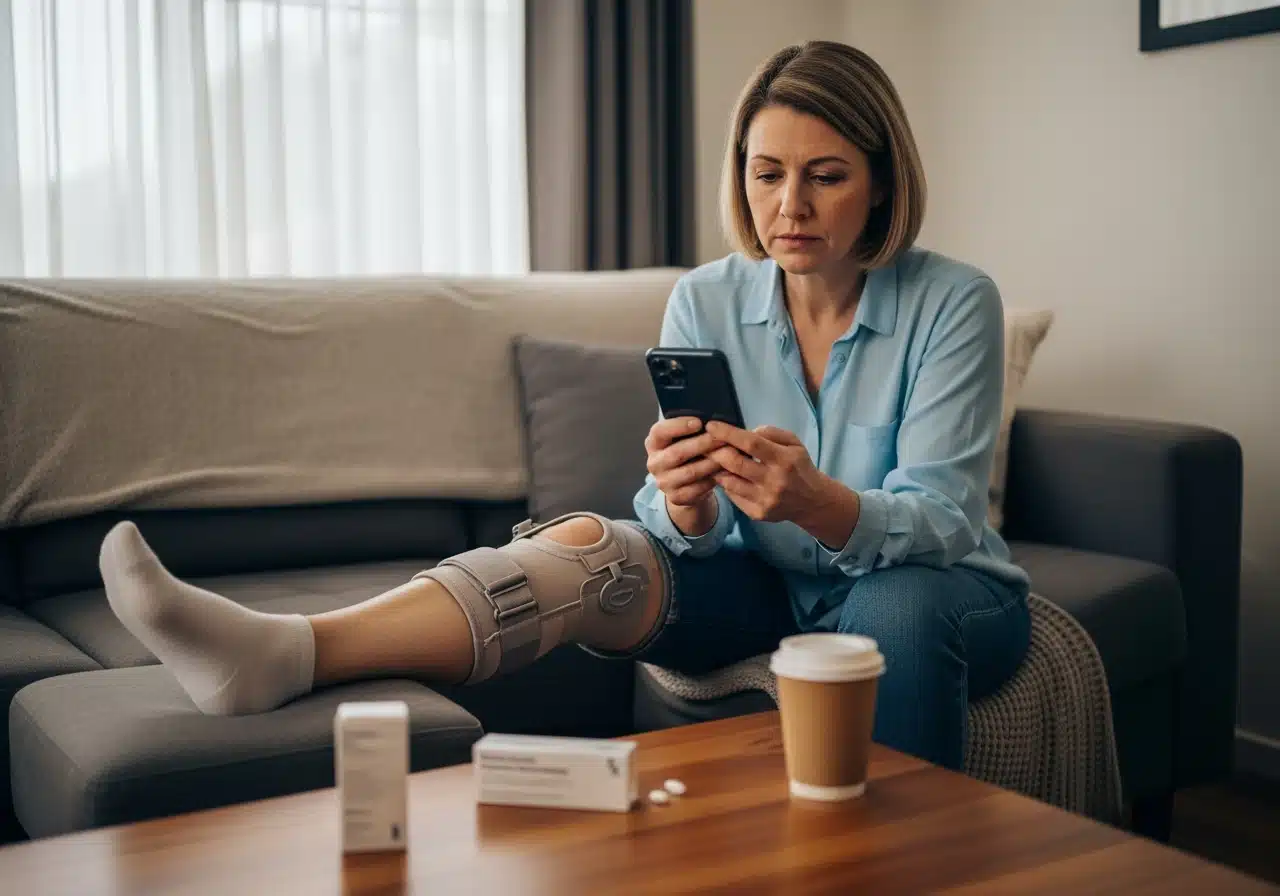
Recovery tracking apps NSW are transforming how injured people document their compensation claims. If you’re managing pain levels, medical appointments, and treatment routines after an injury, keeping accurate records is essential, but exhausting. Mobile apps make documentation easier when you’re already dealing with physical pain and emotional stress.
Digital health tracking isn’t about being tech-savvy or creating the perfect evidence trail. It’s about making documentation easier when you’re already exhausted, in pain, and trying to get your life back on track. The right app can help you record symptoms, track medications, document expenses, and build a comprehensive picture of how your injury has affected your daily life, all without adding another burden to your recovery.
Why Paper Records Fall Apart
Most people start with good intentions. They grab a notebook, write down their symptoms for the first few days, maybe keep a few receipts in an envelope. Then life gets messy. You forget to write things down when you’re having a bad pain day. The notebook gets lost under a pile of medical letters. Receipts fade or disappear entirely.
This isn’t a failure on your part; it’s just reality when you’re dealing with an injury. Your brain is managing pain, stress, medical appointments, and possibly reduced income. Remembering to document everything in a paper diary is genuinely hard, especially when you’re feeling your worst.
Digital tracking removes some of that mental load. Your phone is already with you. A quick entry takes seconds, not the commitment of sitting down with a pen and paper. Apps can send reminders when you might forget. They store everything in one searchable place, and you won’t lose months of records because you spilt coffee on a notebook.
The Gap Between Knowing and Doing
You’ve probably been told by your lawyer, your doctor, or well-meaning friends that you need to keep detailed records. You know it’s important. But there’s a massive difference between understanding you should document your recovery and actually doing it consistently when you’re struggling.
This gap isn’t about laziness or lack of commitment. It’s about capacity. When you’re dealing with chronic pain, attending multiple appointments each week, or managing the emotional weight of a serious injury, adding another task feels overwhelming. That’s completely understandable.
Mobile apps bridge this gap by reducing the effort required. Instead of needing to remember what happened three days ago when you finally sit down to write, you can capture information in real-time. Feeling a pain spike at 2pm? Record it immediately in thirty seconds. Just paid for parking at the physio? Photograph the receipt right there in the car park.
What Actually Helps Your NSW Claim
Not all tracking is equally valuable for compensation purposes. You could fill an app with data that doesn’t strengthen your case, while missing the information that genuinely matters. Understanding what makes a difference helps you focus your limited energy where it counts.
Pain and Symptom Patterns
Pain and symptom patterns matter enormously. A single doctor’s appointment gives your medical team a snapshot of how you’re feeling that day. But consistent tracking over weeks and months reveals the true impact of your injury. It shows the bad days that happen between appointments, the activities that trigger setbacks, and whether you’re genuinely improving or just having temporary good patches.
Functional Limitations
Functional limitations tell the real story of how your injury has changed your life. Can you walk to the shops? Lift your child? Work a full day? These everyday activities matter more to your claim than medical terminology. Injury recovery apps NSW that let you track what you can and can’t do each day build powerful evidence of your injury’s practical impact.
Treatment Compliance
Treatment compliance demonstrates that you’re doing everything reasonable to recover. When insurers look for reasons to reduce compensation, they’ll question whether you followed medical advice. Records showing you’ve attended every appointment, taken medications as prescribed, and completed your exercises prove you’re not exaggerating or prolonging your recovery unnecessarily.
Injury-Related Expenses
Expenses add up faster than you’d expect, and many people significantly underestimate their injury-related costs. That parking at the hospital, the pharmacy co-payments, the taxi because you couldn’t drive, they’re all claimable, but only if you’ve kept records. Digital expense tracking with photo receipts means you won’t lose thousands of dollars in legitimate claims.
At Goodman Spring, we’ve seen how comprehensive records can shift the outcome of a claim. Insurers take clients more seriously when they present organised, detailed evidence rather than vague recollections of their suffering.
Apps That Actually Work for Injured People
The best app is the one you’ll actually use. That sounds obvious, but it’s worth stating clearly because the internet is full of complex health tracking apps designed for fitness enthusiasts or people managing chronic conditions long-term. You don’t need something complicated; you need something that works when you’re tired, in pain, and just want to record information quickly.
Pain Tracking Apps
Pain tracking apps like Manage My Pain or Chronic Pain Tracker let you record pain levels, locations, and triggers with minimal effort. They use body maps so you can tap where it hurts rather than typing descriptions. They generate reports that visually show your pain patterns over time, which can be incredibly useful when explaining your situation to doctors or lawyers.
General Symptom Diaries
General symptom diaries such as CareClinic or Symple track a broader range of symptoms beyond just pain. If your injury causes fatigue, mood changes, sleep problems, or other symptoms, these apps let you monitor everything in one place. They’re particularly valuable for injuries with complex or variable symptoms that are hard to describe in words.
Medication Tracking Apps
Medication tracking apps like Medisafe or MyTherapy help you remember to take medications on time and record what you’ve actually taken. This is crucial if you’re managing multiple prescriptions or if your medication regime changes over time. The apps create a verifiable record that you’ve followed your treatment plan, which matters when insurers question your recovery efforts.
Expense Tracking
Expense tracking apps such as Evernote or even your phone’s notes app with camera integration work well for capturing receipts and costs. Take a photo immediately after any injury-related expense, parking, medications, equipment, or travel to appointments. Add a quick note about what it was for. These photos won’t fade like paper receipts, and you can search them later when preparing your claim.
Photo Documentation
Photo documentation apps or your phone’s standard camera with a dedicated album can track visible injuries, mobility limitations, or environmental factors. A photo series showing bruising progression, surgical scars healing, or your limited range of motion provides powerful visual evidence that words can’t capture.
The Guilt You’re Probably Feeling
There’s something that needs addressing directly. If you’re reading this and thinking, “I should have been tracking from day one” or “I’ve already messed up my claim by not documenting properly,” stop. That guilt isn’t helping you, and it’s almost certainly misplaced.
Most people don’t start tracking immediately after an injury because they’re dealing with shock, pain, medical emergencies, or they genuinely believe they’ll recover quickly. You’re not a lawyer or a professional claimant, you’re someone who got hurt and is trying to get better. Not having perfect records from day one doesn’t destroy your claim.
Starting now, even if you’re months into your recovery, is still valuable. Compensation claims often take a year or more to resolve. Documentation from this point forward still builds a stronger case than having nothing at all. Your medical records already exist for the early period. What you track now fills in the gaps that medical appointments miss, the daily reality of living with your injury.
We’ve helped clients at Goodman Spring who started documenting months after their accident. Yes, earlier is better, but later is better than never. The insurer doesn’t know what you didn’t record; they only see what you present. Starting today means you’ll have solid evidence for the bulk of your recovery period.
Why This Feels Harder Than It Should
Even with an app that’s supposedly “easy to use,” you might find yourself avoiding it. This isn’t about the technology; it’s about what tracking represents emotionally.
Recording your pain and limitations every day forces you to confront your injury repeatedly. There’s no pretending you’re fine when you’re logging that you couldn’t sleep because of pain, or that you needed help getting dressed. For many people, tracking feels like dwelling on the negative rather than focusing on recovery.
This is a genuine psychological barrier, and it’s worth acknowledging. You’re not being overly sensitive. But here’s a different way to think about it: tracking isn’t dwelling, it’s validating. Your pain is real, whether you record it or not. Writing it down doesn’t make it worse; it makes it visible and undeniable, which is exactly what you need for your claim.
There’s also the fear that documenting bad days might somehow slow your recovery, like you’re giving yourself permission to stay injured. The opposite is actually true. Research from organisations like the Australian Pain Management Association shows that tracking symptoms often helps people identify patterns, avoid triggers, and communicate more effectively with their medical team, all of which support better recovery outcomes.
Start Here, Not With Perfection
You don’t need to download five apps and start tracking every conceivable data point. That approach leads to overwhelm and abandonment within a week. Instead, start with one thing that’s genuinely easy for you.
If pain is your biggest issue, start with just recording your pain level once a day, morning or evening, whichever you’ll remember. Use a simple 0-10 scale. That’s it. Don’t worry about location, duration, or triggers yet. Just get into the habit of one daily entry.
If expenses are piling up, start by photographing every receipt related to your injury. Don’t worry about categorising or tallying them yet. Just capture them so they don’t disappear. You can organise later, or your lawyer can help with that.
If you’re having trouble explaining your limitations to doctors, start by noting one thing each day that you couldn’t do or that was significantly harder than before your injury. “Couldn’t lift the washing basket.” “Needed to sit down twice while making dinner.” These concrete examples matter more than vague statements about “reduced function.”
Once one habit feels automatic, add another element. Build gradually rather than trying to create a comprehensive tracking system overnight. Think of it like your recovery itself, you wouldn’t expect to go from injured to fully healed in one leap. Documentation works the same way.
When Apps Actually Hurt Your Claim
There are situations where digital tracking can work against you if you’re not careful. This isn’t about avoiding apps, it’s about using them thoughtfully.
Inconsistent Tracking
Inconsistent tracking can be worse than no tracking at all. If you record symptoms for two weeks, then stop for a month, then start again, it can look like your injury wasn’t serious during the gaps. Insurers might argue you only tracked when symptoms were bad, suggesting you’re exaggerating. If you’re going to track, aim for consistency, even if that means brief daily entries rather than detailed weekly ones.
Social Media Contradictions
Social media contradictions are a real problem. If your app shows you walked 500 steps on a day when your Facebook shows you at a concert, insurers will question everything you’ve claimed. This doesn’t mean you can’t have any life while injured, but be aware that your digital footprint needs to tell a consistent story. We’ve seen workers’ compensation claims challenged because social media suggested more capability than the claimant reported.
Over-Tracking Irrelevant Information
Over-tracking irrelevant information can dilute your claim’s impact. If you’re tracking your sleep, mood, diet, exercise, water intake, and twenty other variables, the important information about your actual injury gets lost in the noise. Focus on what directly relates to your injury and its impact on your life. More data isn’t always better data.
Editorialising Your Entries
Editorialising your entries can backfire. Stick to factual descriptions rather than emotional commentary or speculation. “Pain level 7, couldn’t work this afternoon” is helpful. “This injury has ruined my life and I’ll never recover” sounds like catastrophising, which insurers will use to argue you’re not being objective about your condition.
The Technology Barrier is Real
If you’re not comfortable with smartphones or apps, this entire approach might feel inaccessible. That’s a legitimate concern, not a personal failing. Not everyone grew up with this technology, and learning new apps while dealing with an injury adds another layer of difficulty.
You have options that don’t require technical expertise. Voice recording on your phone is often simpler than typing. Many phones have a built-in voice memo app, and you can simply speak your daily update in thirty seconds. Someone can transcribe these later if needed for your claim.
Photos require minimal technical skill. If you can take a photo, you can document receipts, visible injuries, or mobility aids you’re using. That’s valuable evidence without needing to navigate complex apps.
If you have family members or friends who can help, let them. There’s no rule saying you personally have to operate the app. If your partner or adult child can help you set something up and show you the basics, that’s perfectly acceptable. The information is what matters, not who pressed the buttons.
For those who genuinely can’t manage digital tracking, paper records are still better than nothing. The advantage of apps is convenience and organisation, but a consistently maintained paper diary still provides valuable evidence. Your lawyer can help organise paper records into a format suitable for your claim.
What Your Lawyer Needs From Your Tracking
Understanding what your legal team actually uses helps you focus your tracking efforts effectively. At Goodman Spring, we look for specific elements when reviewing a client’s records.
Timeline Clarity
Timeline clarity is crucial. We need to understand the progression of your injury, what happened immediately after the incident, how symptoms developed over time, and whether you’re improving, plateauing, or worsening. Apps with date stamps and chronological organisation make this immediately clear.
Pattern Evidence
Pattern evidence helps us demonstrate that your injury is genuine and ongoing, not just bad days you’re choosing to highlight. Consistent tracking over months shows patterns that doctors might miss in brief appointments. It proves your injury affects you regularly, not occasionally.
Functional Impact
Functional impact matters more than medical terminology. We can get medical reports from your doctors, but only you can tell us how the injury affects your daily life. Records showing you can’t play with your kids, do your job properly, or maintain your home are powerful evidence of real loss.
Treatment Compliance Documentation
Treatment compliance protects you from accusations that you didn’t mitigate your losses. If an insurer argues you didn’t follow medical advice, your tracking records prove otherwise. This is particularly important for Total and Permanent Disability claims, where insurers scrutinise whether you’ve done everything possible to return to work.
Financial Loss Records
Financial losses need documentation. We can’t claim for expenses you can’t prove. Digital records with photo receipts make this straightforward. Without them, you’ll likely miss out on thousands of dollars in legitimate reimbursement.
Privacy Concerns You Should Consider
Storing health information on your phone raises legitimate privacy questions. You’re creating detailed records of your injury, symptoms, and limitations, information you wouldn’t want falling into the wrong hands.
Most health tracking apps store data on their servers, not just on your phone. Check the app’s privacy policy to understand where your information goes and who can access it. Look for apps that offer end-to-end encryption or local storage options if privacy is a major concern for you.
Be cautious about apps that share data with third parties, particularly advertisers or research organisations. Some free health apps fund themselves by selling anonymised user data. While this might not directly affect your compensation claim, it’s worth knowing how your information is being used.
Consider password-protecting your phone if you haven’t already. If your phone is lost or stolen, you don’t want someone accessing detailed records of your injury, medical conditions, and personal routines.
Remember that information you record in an app may be discoverable in legal proceedings. While this primarily works in your favour, it’s evidence supporting your claim, it means you should be factual and honest in your entries. Don’t record speculation, exaggeration, or information you wouldn’t want read aloud in court.
According to the State Insurance Regulatory Authority NSW, claimants have rights regarding their personal information in compensation claims. Your tracking records are your property, and you control how they’re shared, though you may need to provide them as evidence if your claim proceeds to formal assessment.
When Professional Assessment Matters More
Recovery tracking apps NSW are tools, not replacements for proper medical care. There’s a risk that some people become so focused on tracking that they delay seeking professional help, assuming their records will speak for themselves.
Your tracking provides context and detail, but it doesn’t replace medical evidence. Doctors provide expert opinions about the nature and severity of your injury, expected recovery timeframes, and future prognosis. Insurers need both your lived experience and professional medical assessment.
If your symptoms are worsening, changing significantly, or not improving as expected, that’s a sign to see your doctor, not just to note it in your app. Your tracking should inform medical appointments, not substitute for them.
Some injuries need immediate professional assessment regardless of what your app shows. Sudden severe pain, neurological symptoms, signs of infection, or mental health crises require medical attention, not documentation. Your health comes before your claim evidence.
Think of tracking as supporting your medical treatment, not competing with it. The app records what happens between appointments. The appointments provide professional interpretation and treatment of what you’re experiencing. Both matter, and neither is sufficient alone.
Making it Sustainable Long-Term
Injury recovery isn’t a sprint. Many compensation claims take twelve months or longer to resolve. You need a tracking approach that you can maintain over that timeframe without it becoming a burden that adds to your stress.
Simplify as you go. If you started tracking ten different things and it’s becoming overwhelming, scale back to the three or four that matter most. It’s better to track a few things consistently than everything sporadically.
Use reminders thoughtfully. A daily reminder can help establish a habit, but too many notifications become irritating and get ignored. Set one reminder for a time when you’re likely to have a moment, perhaps evening when you’re settling down.
Build tracking into existing routines. Link it to something you already do daily, taking medication, having breakfast, or getting ready for bed. This makes it automatic rather than another task you need to remember.
Be kind to yourself on hard days. If you’re having a particularly bad pain day or dealing with a medical emergency, it’s okay if tracking doesn’t happen. One missed day won’t destroy your claim. Just pick it up again when you’re able.
Getting Professional Support for Your Claim
Using injury recovery apps NSW strengthens your compensation claim, but you still need proper legal support to navigate the process. Apps document your experience, and lawyers turn that documentation into successful outcomes.
At Goodman Spring, we help NSW clients with all types of personal injury claims, including workplace injuries, and motor vehicle accidents. We understand how digital records fit into compensation claims and can help you present your documentation effectively.
If you’re tracking your recovery and preparing to make a claim, contact us for a free case assessment. We’ll review your situation, explain your options, and help you understand what documentation will strengthen your specific claim.
Recovery tracking apps NSW make documentation easier, but they work best as part of a comprehensive approach to your claim. Combined with proper medical treatment and experienced legal support, your digital records become powerful evidence of how your injury has affected your life and why you deserve fair compensation.