You’ve been injured, you’re dealing with pain or recovery, and now someone’s telling you that you need to lodge a claim. The whole thing probably feels overwhelming, and that’s completely understandable. Most people who contact us at Goodman Spring have never made a compensation claim before, and they’re often anxious about what lies ahead.
Here’s what makes this harder than it should be: the personal injury claims process in NSW isn’t just one thing. It changes depending on how you were injured, who was responsible, and what kind of compensation you’re seeking. A workplace injury follows different rules than a car accident, which follows different rules than a slip at a shopping centre. You’re not being unreasonable if you find this confusing, because it genuinely is confusing.
What we’re going to walk through here is the actual process, broken down into manageable steps. Not the sanitised version you’ll find on insurance company websites, but the real one, including the bits that might frustrate you and why they exist. You’ll understand what happens at each stage, what’s expected of you, and where things typically slow down or get complicated.
Why This Feels Harder Than It Should
The personal injury process in NSW involves multiple parties who often have competing interests. You want fair compensation. The insurer wants to pay as little as possible. Your employer (if it’s a work injury) wants to avoid premium increases. Your medical team is focused on your treatment, not your paperwork.
You’re the only person trying to coordinate all of this while also recovering from an injury. That’s not a small thing, and it’s why so many people feel like they’re drowning in the early stages.
There’s also the emotional weight of it. You might feel guilty about making a claim, especially if you liked your employer or if the accident involved someone you know. You might worry that people will think you’re money-grabbing or exaggerating your injuries. These feelings are normal, but they’re also misplaced. You’re entitled to personal injury compensation if someone else’s negligence caused your injury, and claiming what you’re owed isn’t greedy. It’s practical.
Getting Your Medical Evidence Right
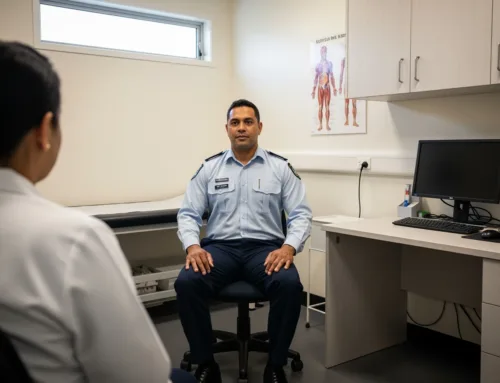
The first real step in any personal injury claim is seeing a doctor and getting your injuries properly documented. This sounds obvious, but it’s where many claims start to fall apart before they’ve even begun.
You need to see a GP or hospital as soon as possible after your injury. If you wait weeks before getting treatment, insurers will question whether you were really hurt or whether something else caused your condition. They’re looking for reasons to reduce or deny your claim, and gaps in medical records give them ammunition.
When you’re at the doctor’s, be specific about your symptoms. Don’t downplay your pain because you’re trying to be stoic or don’t want to complain. If your back hurts when you lift things, say that. If you’re having trouble sleeping because of pain, mention it. Your medical records become evidence, and vague descriptions like “a bit sore” don’t carry the same weight as detailed accounts of how the injury affects your daily life.
You’ll likely need ongoing treatment, which means follow-up appointments, possibly physiotherapy, and potentially specialists like orthopaedic surgeons or neurologists. Keep every receipt, every referral letter, and every medical certificate. You’ll need them later when you’re calculating your claim.
Here’s something that catches people off guard: insurers often want you to see their own doctors for an independent medical examination. This isn’t really independent, because the insurer is paying for it, but you’ll usually be required to attend. These examinations can feel confrontational because the doctor is specifically looking for reasons why you might not be as injured as you claim. It’s uncomfortable, but it’s part of the process.
Notifying the Right People at the Right Time
Different types of injuries have different notification requirements, and missing a deadline can genuinely cost you your entire claim. This is where the process gets particularly unforgiving.
For workers compensation claims, you need to notify your employer as soon as possible. Technically, you have six months to lodge a claim, but delays make everything harder. Your employer needs to report the injury to their insurer, and the insurer then has 21 days to accept or deny your claim.
For motor vehicle accident claims, you need to notify the police within 28 days of the accident. If you want to claim compensation from the date of the accident, you need to notify your CTP insurer within 28 days otherwise, you have three months to lodge your Application for Personal Injury Benefits. These timeframes are strict. If you miss them, you’ll need to apply for an extension and explain why you were late, which adds complexity and uncertainty.
For public liability claims (like slipping in a supermarket or being injured at a public venue), you generally have three years from the date of injury to start court proceedings, but you should notify the responsible party much sooner. Evidence disappears, witnesses forget details, and CCTV footage gets deleted. Waiting too long weakens your case even if you’re still within the legal timeframe.
Notification is crucial for establishing what actually happened. The sooner you do it, the more seriously it’s taken and the easier it is to establish the facts. Delay suggests either the incident wasn’t serious or you’re manufacturing a claim after the fact.
Gathering Evidence Before It Disappears
Your memory of the accident will fade. Other people’s memories will fade faster. Physical evidence changes or gets cleaned up. This is why you need to gather everything you can as early as possible.
Take photos of where the accident happened. If you slipped on a wet floor, photograph the floor, the lack of warning signs, the lighting, everything. If you were injured by faulty equipment, photograph the equipment before it’s repaired or replaced. If your injuries are visible (bruising, cuts, swelling), photograph them and date the images.
Get contact details for anyone who witnessed the accident. You might not need witness statements immediately, but you’ll want the option later. People change jobs, move house, or simply become harder to track down as time passes.
If there’s an accident report (common in workplaces), get a copy. If there’s CCTV footage, request it in writing immediately. Most businesses only keep footage for 30 days before it’s automatically deleted. If you wait until your lawyer asks for it months later, it’ll be gone.
We helped a delivery driver who was injured when a warehouse forklift reversed into him. He didn’t think to request the CCTV footage, assuming the warehouse would keep it. By the time we were instructed at Goodman Spring, the footage had been overwritten. We still won his claim, but it was significantly harder without that visual evidence, and the insurer fought it every step of the way.
Lodging Your Claim Properly
Once you’ve got your medical evidence and you’ve notified the relevant parties, you’ll need to formally lodge your claim. This means completing claim forms, which vary depending on the type of injury.
For workers’ compensation, your employer usually helps you complete the initial injury notification form. The insurer then sends you additional forms asking for details about your injury, your treatment, and your work history. These forms are tedious and repetitive, but they’re important. Answer every question accurately and thoroughly.
For CTP claims following a motor vehicle accident, you’ll complete the Application for Personal Injury Benefits form and submit it to the CTP insurer of the at-fault driver or your own CTP insurer if you are at fault or don’t know the details of the at-fault CTP insurer. You’ll need the accident details, police report number, and your medical records. The insurer has 21 days to acknowledge your claim and three months to make a decision on liability.
Don’t rush through claim forms. Insurers use inconsistencies or incomplete information to question your credibility later. If a question doesn’t apply to you, write “not applicable” rather than leaving it blank. If you don’t know an answer, say so rather than guessing.
What Happens During the Assessment Period
After you lodge your claim, there’s a waiting period while the insurer investigates. This is often the most frustrating part of the process because you’re not in control and you’re not getting regular updates.
The insurer will review your medical records, interview witnesses if there are any, inspect the accident scene if relevant, and possibly conduct surveillance on you. Yes, surveillance. If you’ve claimed a serious back injury but the insurer has footage of you lifting heavy shopping bags or playing sport, your claim is in serious trouble. This doesn’t mean you need to stay in bed, but it does mean you need to be honest about your limitations and consistent in how you present your injury.
The insurer might offer you an early settlement during this period, especially if liability is clear. These early offers are almost always lower than what your claim is actually worth, because the insurer doesn’t yet know the full extent of your injuries or how long your recovery will take. You’re not obligated to accept, and in most cases, you shouldn’t without getting legal advice first.
For workers’ compensation claims, you might be placed on weekly payments while your claim is assessed. These payments are usually a percentage of your pre-injury wages and continue while you’re unable to work. The insurer can stop these payments if they believe you’re fit to return to work, which is why ongoing medical evidence is so important.
Negotiating Your Settlement Amount
Once the insurer accepts liability (or if you can prove they should), the focus shifts to how much compensation you’ll receive. This is where the personal injury claims process becomes more art than science.
Your compensation can include several components: medical expenses (past and future), lost wages (past and future), domestic assistance if you need help around the house, care costs if your injury requires ongoing support, and pain and suffering. Calculating all of this requires detailed evidence about your injury, your prognosis, and how the injury has affected your life.
The insurer will make an offer. It’ll probably be lower than you expected, and that’s deliberate. They’re opening a negotiation, not making their best offer. This is where many people without lawyers accept less than they should because they don’t know what their claim is actually worth or they’re desperate for the financial stress to end.
Your lawyer will respond with a counter-offer, backed by medical reports, wage statements, receipts for expenses, and legal arguments about the severity of your injury and its long-term impact. This back-and-forth can take weeks or months, depending on how far apart the two sides are.
Most claims settle during negotiation. Going to court is expensive and time-consuming for everyone involved, so there’s pressure on both sides to reach an agreement. But settlement requires compromise, which means you’ll probably receive less than you asked for, and the insurer will pay more than they initially offered.
When Your Claim Needs to Go Further
If negotiations stall or the insurer refuses to make a reasonable offer, you might need to escalate your claim. In NSW, this usually means going through a formal dispute resolution process before you can start court proceedings.
For workers’ compensation disputes, you can apply to the Personal Injury Commission for a resolution. This involves submitting your case to a member who’ll review the evidence and make a binding decision. It’s less formal than court but still requires proper documentation and often legal representation.
For motor vehicle accident claims, you can also apply to the Personal Injury Commission for a resolution. Again, this involves submitting your case to a member who’ll review the evidence and make a binding decision. It’s less formal than court but still requires proper documentation and legal representation.
For other personal injury claims, its worth engaging in settlement negotiations before going to court. These processes are designed to encourage settlement and reduce the burden on the court system.
Court proceedings are the last resort, not because they’re impossible to win, but because they’re slow, stressful, and uncertain. Even strong cases can lose in court if the judge doesn’t find your evidence convincing or if the other side presents a compelling defence. Most lawyers will recommend attempting to negotiate a settlement before running to a trial.
The Guilt You’re Probably Feeling (and Why It’s Misplaced)
There’s a good chance you feel uncomfortable about claiming compensation, especially if your injury wasn’t catastrophic or if you’ve returned to work. You might worry that you’re being greedy or taking advantage of the system.
Let’s be clear about something: compensation isn’t a gift or a lottery win. It’s designed to put you back in the financial position you would’ve been in if the injury hadn’t happened. If you’ve lost wages, you should be compensated for those wages. If you’ve paid for medical treatment, you should be reimbursed. If you’re going to need ongoing care, that should be funded.
The insurer isn’t paying out of kindness. They’re paying because they’re legally required to, and they’ve already collected premiums specifically to cover claims like yours. You’re not taking money from an individual who made a mistake. You’re claiming from an insurance pool that exists for exactly this purpose.
The other person involved (if there is one) won’t personally pay your compensation. Their insurance covers it. Yes, their premiums might increase, but that’s how insurance works. They were negligent, you were injured, and the system exists to address that.
If you’re still feeling guilty, ask yourself this: if the roles were reversed and someone else had been injured because of your negligence, would you want them to get proper compensation? Of course you would. Extend the same fairness to yourself.
Start Here, Not With Perfection
You don’t need to have everything figured out before you start your claim. You don’t need perfect medical records or a complete understanding of the law. You just need to take the first step, which is usually getting proper medical treatment and notifying the relevant party about your injury.
Many people delay claiming because they’re waiting until they feel more prepared or until they’re certain about their injuries. The problem with waiting is that deadlines don’t care about your readiness, and evidence doesn’t preserve itself.
If you’re unsure whether you have a valid claim, contact us for a free assessment. We can review your situation, explain your options, and let you know whether pursuing a claim makes sense. There’s no obligation, and you won’t be pressured into anything. We work on a No Win, No Fee basis, which means you don’t pay legal fees unless we successfully recover compensation for you.
The personal injury process in NSW is complicated, but it’s not impossible. Thousands of people go through it every year, and most of them get the compensation they’re entitled to. The key is starting early, staying organised, and getting proper advice when you need it.
You’ve already dealt with the injury itself. The claim process is just paperwork and patience. You can handle it, especially with the right support.