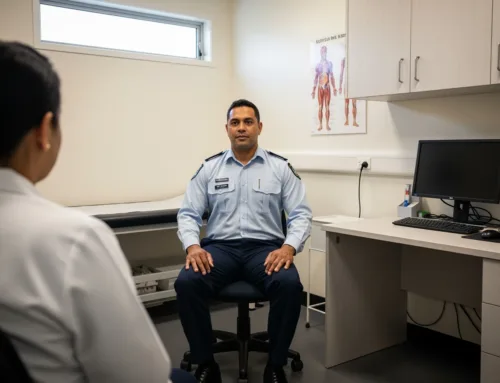
You can’t photograph anxiety. You can’t X-ray grief. And that’s exactly what makes psychological injury evidence NSW claims so difficult to prove.
When you’ve been hurt in a way that doesn’t show up on a scan, the legal system asks you to do something that feels almost impossible: prove something invisible to people who weren’t there when it happened. You’re expected to document feelings that change by the hour, explain trauma that’s hard to put into words, and convince insurers who’ve built entire strategies around questioning whether your pain is “real enough.”
Why Psychological Injuries Are Harder to Prove
The Absence of Objective Markers
It’s frustrating because the injury is real. The sleepless nights are real. The panic attacks in crowded spaces are real. But proving emotional distress claims NSW requires a different kind of evidence than a broken bone or a surgical scar.
Most people who contact us about psychological injury claims feel this frustration deeply. They’re worried they won’t be believed. They’re concerned their symptoms aren’t “severe enough.” They hesitate because they’ve already been doubted by someone – a former employer, an insurance assessor, sometimes even family members who don’t understand invisible injuries.
How Insurers Exploit the Burden of Proof
Physical injuries follow a predictable path in the legal system. You’re hurt, you see a doctor, scans show damage, treatment follows, and medical records document everything. The evidence practically builds itself.
Psychological injuries don’t work that way. There’s no blood test for depression. No imaging that captures the moment a panic attack starts. The injury exists in how you experience the world, and that’s inherently subjective.
Insurers know this, and they use it. They’ll question whether your anxiety existed before the incident. They’ll suggest your symptoms are exaggerated or self-reported without “objective” proof. They’ll point to any gap in treatment as evidence you weren’t really suffering.
This isn’t because psychological injuries aren’t compensable under NSW law – they absolutely are. It’s because the burden of proof sits with you, and building that proof requires strategy, consistency, and the right kind of documentation from the start.
What Counts as Evidence in NSW
The Three Criteria: Contemporaneous, Consistent, Corroborated
The courts and insurers in NSW look for evidence that meets specific criteria. They want proof that’s contemporaneous (created at the time, not reconstructed later), consistent (your story doesn’t change), and corroborated (supported by multiple sources, not just your word).
Medical evidence sits at the centre of every psychological injury claim. You’ll need records from psychologists, psychiatrists, or GPs who’ve treated you. These need to show not just that you have symptoms, but that those symptoms are causally linked to the incident you’re claiming for. A diagnosis alone isn’t enough – the medical evidence must explain how the trauma or negligence caused the condition.
Treatment records matter enormously. Regular appointments, prescribed medications, therapy notes, and specialist referrals all build a timeline that shows your injury is ongoing and serious. Gaps in treatment are one of the most common reasons psychological injury claims get challenged. If you stopped seeing your psychologist for six months, the insurer will argue you must have recovered.
Witness Statements, Employment Records and Your Own Notes
Witness statements add crucial corroboration. These come from people who’ve observed changes in you – family members who’ve noticed you withdrawing, colleagues who’ve seen you struggle at work, friends who can describe how your behaviour shifted after the incident. Their observations provide external validation that something changed, and when.
Employment records can show the impact on your working life. Sick leave, performance reviews, emails to your manager about struggling, or termination documents all demonstrate real-world consequences of your psychological injury. If you’ve had to reduce hours, change roles, or leave work entirely, those records are powerful evidence.
Your own documentation plays a supporting role. Journals, diaries, or notes you made about symptoms can help, but they’re treated with caution because they’re self-reported. They work best when they align with medical records and witness accounts, filling in details about day-to-day struggles that don’t make it into clinical notes.
The Medical Reports That Actually Matter
Independent Psychiatric Assessments
Not all medical reports are created equal in psychological injury claims. A one-page letter from your GP saying you’re anxious won’t cut it. You need detailed, forensic reports from specialists who understand the legal requirements.
Independent psychiatric assessments are often essential. These are comprehensive evaluations by psychiatrists who examine you specifically for the purpose of the claim. They’ll take a detailed history, assess your current mental state, review your medical records, and provide an opinion on causation – whether the incident caused or materially contributed to your condition.
The language in these reports matters. Phrases like “on the balance of probabilities” and “causally linked” carry legal weight. A good psychiatric report will address alternative explanations (pre-existing conditions, other life stressors) and explain why the incident remains the substantial cause of your injury.
How Treating Psychologists Support Your Case
Psychologists who’ve treated you over time provide different but equally valuable evidence. Their ongoing treatment notes show the progression of symptoms, your response to therapy, and the functional impact on your life. They’re less about diagnosis and more about the lived experience of the injury.
We once helped a former teacher from the Central Coast who developed severe PTSD after a violent incident at her school. Her GP had documented anxiety, but it was the forensic psychiatrist’s report – linking specific symptoms to specific aspects of the trauma – that turned her claim from questionable to undeniable. The insurer had initially offered a token amount. After that report, they settled for six figures.
You’ll likely need multiple medical opinions, and that’s normal. Different specialists provide different pieces of the puzzle. The key is ensuring they’re all working from the same factual foundation and that their opinions don’t contradict each other in ways that undermine your case.
The Gap Between Knowing and Doing
Why People Delay Getting Treatment
You probably already know you should see a psychologist. You might even have been told repeatedly by well-meaning people that you need help. But knowing and doing are separated by a canyon of very real barriers.
Cost is the obvious one. Psychology isn’t cheap, and while Medicare provides some rebates through mental health care plans, they’re limited. If you’re already struggling financially because you can’t work, spending $200 per session feels impossible. It’s a cruel irony – you need treatment to prove your claim, but you need your claim to pay for treatment.
Some compensation lawyers can help arrange treatment on a deferred basis, where costs are covered from your settlement. It’s worth asking, because letting treatment gaps widen while you wait for money will damage your claim more than the upfront cost.
Shame, Stigma and Distrust of the Process
Shame and stigma stop people from seeking help more often than most lawyers realise. There’s still a pervasive feeling that psychological injuries are somehow less legitimate, that you should be able to “toughen up” or “get over it.” If you grew up in a generation or culture where mental health wasn’t discussed, admitting you need a psychologist can feel like admitting weakness.
This is misplaced guilt, but it’s powerful. You’re not weak for needing help with psychological trauma any more than you’d be weak for needing surgery after a physical injury. The legal system in NSW recognises this – the courts have repeatedly affirmed that psychological injuries are as compensable as physical ones.
Distrust of the process is another barrier. You might worry that anything you tell a psychologist will be used against you, twisted by insurers, or exposed in ways that feel invasive. That’s understandable, especially if you’ve already dealt with dismissive insurance assessors or employers who questioned your injury.
The truth is: yes, your medical records will be scrutinised. But the alternative – not getting treatment – leaves you with no evidence at all. A strong claim isn’t built by hiding your struggles; it’s built by documenting them honestly with professionals who understand the legal context.
What Happens When Evidence Is Weak
The Red Flags Insurers Look For
Weak evidence doesn’t just reduce your compensation – it can sink your claim entirely. Insurers in NSW are increasingly aggressive about challenging psychological injury claims, and they know exactly where to look for weaknesses.
Inconsistent accounts are the first red flag. If you told your GP one version of events, your psychologist another, and your lawyer a third, the insurer will argue you’re unreliable. This doesn’t mean you’re lying – trauma memories are fragmented, and symptoms evolve – but it creates doubt that’s hard to overcome.
Treatment gaps get weaponised. If there’s a four-month period where you didn’t see anyone, the insurer will claim you recovered during that time. It doesn’t matter if you couldn’t afford appointments or were too unwell to organise them – the gap exists, and it damages your case.
When Claims Collapse and Why
Pre-existing conditions become the insurer’s favourite argument. If you saw a psychologist five years ago for unrelated depression, they’ll try to argue your current symptoms are just a continuation of that, not caused by the incident. This is where detailed medical evidence becomes crucial – you need experts who can differentiate between old conditions and new trauma.
Lack of corroboration leaves you vulnerable. If it’s just your word against the insurer’s scepticism, with no witnesses and minimal medical records, your claim becomes a credibility contest you’re likely to lose. The legal standard is “balance of probabilities,” but even that requires something to weigh.
We’ve seen claims collapse because someone waited a year to see a psychologist, thinking they’d “get better on their own.” By the time they sought help, the insurer argued the delay proved the injury wasn’t serious. It’s heartbreaking because the injury was real – the evidence just wasn’t there. If you’re unsure how strong your evidence is, Goodman Spring offers a free case assessment to review your situation honestly.
Building Your Evidence From Day One
Immediate Steps That Make the Biggest Difference
If you’re early in this process – or if you’re helping someone who is – what actually helps starts with immediate action.
See a GP immediately, even if you’re not sure how serious it is. Tell them everything: the incident, the symptoms, how it’s affecting your sleep, work, and relationships. Make sure it’s documented in your medical records. This creates a contemporaneous record that’s much harder to dispute later.
Get a mental health care plan from your GP. This unlocks Medicare rebates for psychology sessions and creates a formal acknowledgment that you need mental health treatment. It’s a simple step that many people skip, and it costs nothing.
Attend appointments consistently. Even when you don’t feel like it. Even when you think you’re improving. Consistent treatment records show the injury is ongoing and that you’re taking it seriously. If you need to cancel, reschedule immediately – don’t let gaps form.
What to Tell Your Treating Practitioners
Tell your treating psychologist or psychiatrist about the claim. They need to know their notes might be used as evidence. This doesn’t mean they’ll write differently, but it ensures they document things with appropriate detail. A good clinician will understand the dual purpose of treatment and documentation.
Keep your own notes, but don’t overdo it. A simple diary of symptoms, bad days, and functional impacts (couldn’t go to work, avoided social events, had a panic attack) provides useful detail. But don’t write like you’re building a legal case – write honestly about what you’re experiencing.
Tell people you trust what’s happening. Not because you need to broadcast your struggles, but because their observations will matter later. If your partner, parent, or close friend can later provide a witness statement about changes they noticed, that’s valuable corroboration.
Building evidence is like compound interest. Small, consistent actions early on create exponential value later. Waiting until you’re ready to make a claim and then trying to reconstruct evidence is like trying to save for retirement the year before you retire – technically possible, but you’ve missed the most valuable period.
When Insurers Challenge Your Claim
Independent Medical Examinations and Surveillance
They will. It’s not personal – it’s their business model. Insurers save money by disputing claims, and psychological injuries are easier to challenge than physical ones.
Independent medical examinations (IMEs) are the most common tactic. The insurer will send you to a doctor of their choosing, who’ll assess you and write a report. Despite the name, these doctors aren’t truly independent – they’re paid by insurers and often have reputations for minimising injuries.
You can’t refuse an IME without consequences, but you can prepare. Bring all your medical records. Be honest but don’t downplay your symptoms. Don’t try to appear tougher than you are – this isn’t the time for bravado. And consider having your lawyer arrange for the session to be recorded (this is allowed under NSW law and keeps everyone honest).
Social Media and the Limits of What You Should Share
Surveillance is less common in psychological injury claims than physical ones, but it happens. If you’ve claimed you can’t work or leave the house, but you’re photographed at a shopping centre or social event, the insurer will use it against you. This doesn’t mean you need to become a hermit – it means your claimed limitations need to match your actual behaviour.
Social media scrutiny is almost guaranteed. Insurers routinely check Facebook, Instagram, and LinkedIn for evidence that contradicts your claim. A photo of you smiling at a family gathering doesn’t prove you’re not depressed, but insurers will try to use it that way. The safest approach: make everything private and post nothing about your claim, your injury, or your activities during the claim period.
If you’re feeling anxious about this level of scrutiny, that’s completely understandable. It feels invasive because it is. But it’s also standard practice, and knowing it’s coming helps you prepare rather than being caught off guard.
Working With the Right Professionals
What to Look For in a Psychological Injury Lawyer
Not every lawyer handles psychological injury claims well. These cases require a specific understanding of psychiatric evidence, causation arguments, and the tactics insurers use to challenge invisible injuries.
We’ve handled hundreds of psychological injury claims across workers’ compensation and motor vehicle accidents. We know which medical experts provide the strongest reports, how to counter insurer arguments about pre-existing conditions, and when to push back against lowball settlement offers.
We also understand the emotional weight these claims carry. You’re not just fighting for compensation – you’re fighting to have your pain recognised as real and legitimate. That matters, and it shapes how we approach these cases.
Psychologists, Psychiatrists and Your GP
The right lawyer will arrange medical assessments, coordinate with your treating practitioners, and build a case that addresses every likely challenge before the insurer raises it. They’ll also work on a No Win, No Fee basis for most claims, which means you’re not paying legal fees upfront while you’re already financially stretched.
Psychologists and psychiatrists aren’t interchangeable. Psychologists provide therapy and ongoing treatment evidence. Psychiatrists provide diagnostic assessments and medico-legal reports. You’ll likely need both at different stages of your claim.
Choose practitioners who have experience with compensation cases and understand what’s required in their reports. A brilliant therapist might write a report that’s clinically excellent but legally useless because it doesn’t address causation or functional impact in the right way.
Your GP remains important throughout. They’re often the first person you saw, and their contemporaneous notes carry weight. They also coordinate referrals and manage any medication. Keep them informed about your claim so they understand why detailed documentation matters.
The Emotional Weight of Proving Pain
Why This Process Feels Exhausting and Contradictory
There’s something uniquely exhausting about having to prove you’re suffering. It forces you to perform your worst moments for strangers, to catalogue your failures and fears, to stay stuck in trauma while you gather evidence of it.
You might feel like you’re being asked to prove you’re “sick enough” while simultaneously trying to get better. That tension is real, and it’s one of the hardest parts of psychological injury claims. Treatment is about healing; claims are about documenting damage. Those goals can feel contradictory.
It’s natural to feel resentful that you have to do this at all. You didn’t choose to be injured. You shouldn’t have to fight to be believed. But the legal system doesn’t run on what should be – it runs on evidence, and gathering that evidence is part of the process.
You’re Not Required to Be a Perfect Victim
This doesn’t mean you’re alone in it. A good legal team carries much of this burden. They chase medical records, organise assessments, deal with insurers, and build the case while you focus on treatment and recovery. You’re still involved, but you’re not doing it solo.
You’re also not required to be a perfect victim. You don’t need to be constantly miserable or non-functional to have a legitimate claim. Psychological injuries fluctuate. You’ll have better days and worse days. That’s normal, expected, and doesn’t undermine your case if it’s properly documented.
What Compensation Actually Covers
Economic and Non-Economic Losses
Psychological injury claims in NSW can include several types of compensation, depending on the nature of your case and the jurisdiction (workers’ compensation, CTP, public liability, etc.).
General damages compensate for pain, suffering, and loss of enjoyment of life. This is where the severity and permanence of your psychological injury directly affects the amount. More severe, longer-lasting injuries receive higher compensation.
Economic loss covers lost income – past and future. If you’ve been unable to work, had to reduce hours, or can’t return to your previous role because of psychological injury, this component can be substantial. You’ll need employment records, tax returns, and often a vocational assessment to quantify these losses.
Medical expenses include all treatment costs: psychology, psychiatry, medication, and any related care. Past expenses are straightforward. Future expenses require medical evidence about ongoing treatment needs.
Domestic assistance can be claimed if your psychological injury has affected your ability to manage household tasks. This is less common in psychological injury claims than physical ones, but it’s available when the impact is severe enough.
The Workers’ Compensation system in NSW has specific thresholds and limitations for psychological injuries. You’ll need to meet a “whole person impairment” threshold of at least 15% to access certain types of compensation. This is where detailed psychiatric assessments become critical.
Taking the Next Step
If you’re dealing with a psychological injury and unsure whether you have a valid claim, the most important step is getting proper legal advice specific to your situation. The evidence requirements are technical, the insurer tactics are predictable, and the medical documentation needs to be strategic from the start.
Contact us for a free assessment of your psychological injury claim. We’ll review your situation honestly, explain what evidence you’ll need, and help you understand your options. Whether your injury stems from a workplace incident, motor vehicle accident, or medical negligence, we have the experience to guide you through the process. Call us on (02) 9261 1799.
Your psychological injury is real. Your pain matters. And with the right evidence and legal support, your claim can succeed.