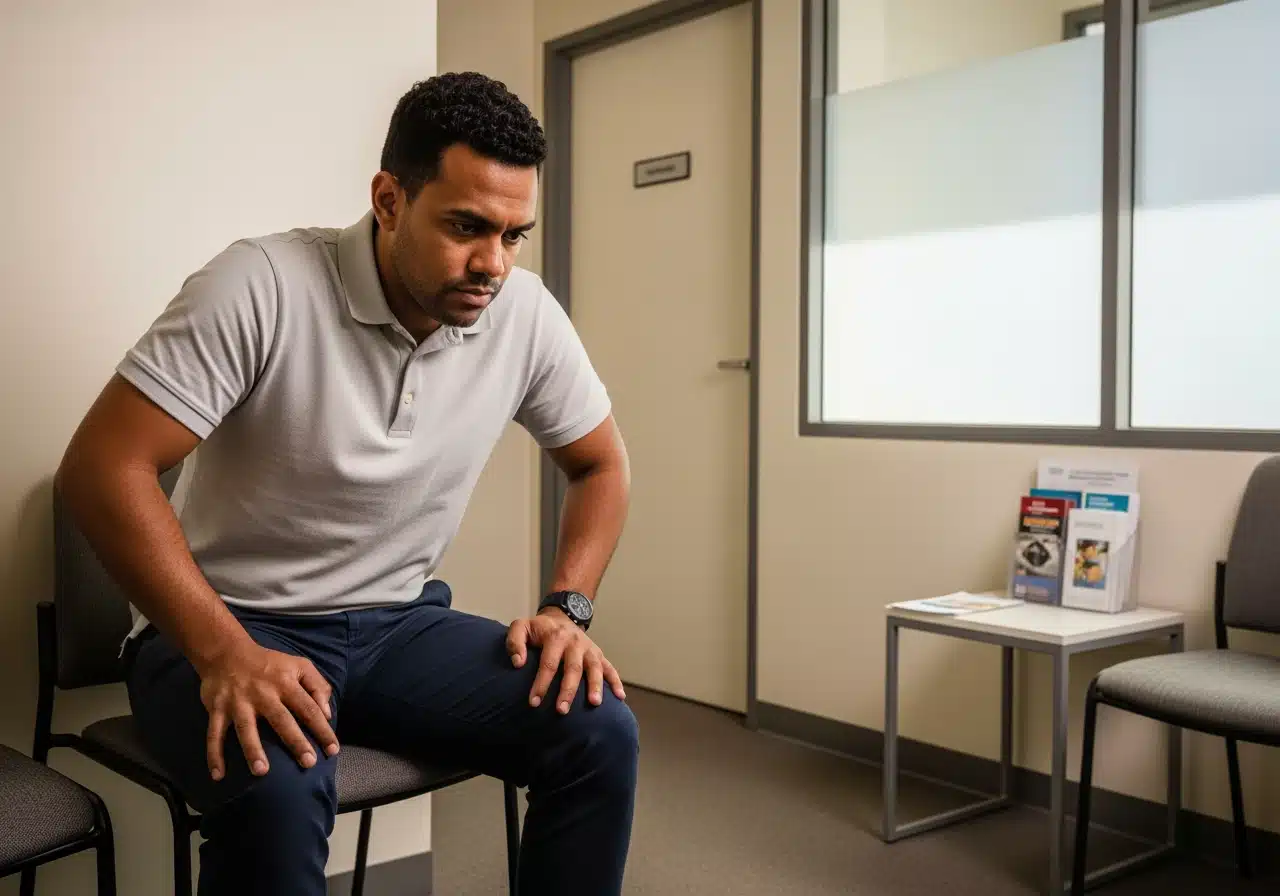
The physical wounds might be healing, but the psychological impact lingers. Sleep doesn’t come easily anymore, work feels overwhelming, and you’re not the same person you were before the incident. Now you’re facing a mental health assessment NSW as part of your compensation claim, and honestly, it feels exposing and nerve-wracking.
These assessments aren’t designed to catch you out or dismiss your suffering. They’re meant to document the genuine psychological impact of your injury so you can access the support and compensation you deserve. But knowing that doesn’t make the process less daunting, especially when you’re already struggling.
Why Mental Health Assessment NSW Is Required
What the Assessment Actually Does for Your Claim
Your compensation claim isn’t just about the initial injury anymore. When psychological symptoms develop after a workplace accident, motor vehicle collision, or other compensable event, insurers need professional evidence to understand the full scope of your condition.
The assessment serves several purposes. It documents your current mental state, establishes a link between the incident and your psychological symptoms, and helps determine what treatment and support you’ll need going forward. Without this formal assessment, it’s difficult to prove the psychological component of your claim, which means you might miss out on crucial financial support and treatment funding.
Why Your GP’s Opinion Isn’t Enough
You might feel like your GP’s opinion should be enough. After all, they’ve known you for years and have witnessed your decline firsthand. Your GP’s records are valuable supporting evidence, but insurers typically require an independent psychiatric or psychological assessment from a specialist who can provide detailed forensic analysis. It’s frustrating, but it’s standard practice across NSW compensation claims.
The State Insurance Regulatory Authority oversees these processes to ensure fairness and consistency. They’ve established guidelines about who can conduct assessments and what standards must be met.
Understanding Why You Feel Guilty
The Myth That Psychological Injuries Are Less Real
There’s often an uncomfortable tension when mental health becomes part of a compensation claim. You might worry that focusing on your psychological symptoms makes you look weak, or that people will think you’re exaggerating for money. Some clients have told us they feel guilty claiming for something “invisible” when others have suffered worse physical injuries.
This guilt is misplaced, but it’s incredibly common. Psychological injuries are just as real and debilitating as broken bones or torn ligaments. Depression, anxiety, PTSD, and adjustment disorders can prevent you from working, maintaining relationships, and living the life you had before your injury. They deserve recognition and treatment.
Your Right to Claim What You’re Owed
You’re not taking advantage of the system by acknowledging that you’re struggling mentally. You’re simply ensuring that all aspects of your injury are properly documented and compensated. The law in NSW explicitly recognises psychological injuries as compensable under workers’ compensation, motor vehicle accident claims, and other personal injury matters.
If you’ve developed symptoms like persistent anxiety, nightmares about the incident, panic attacks, or depression that’s interfering with your daily life, those aren’t character flaws. They’re legitimate medical conditions that developed through no fault of your own, and you deserve support in recovering from them.
What Actually Happens During Mental Health Evaluation NSW
The Format and Focus of the Assessment
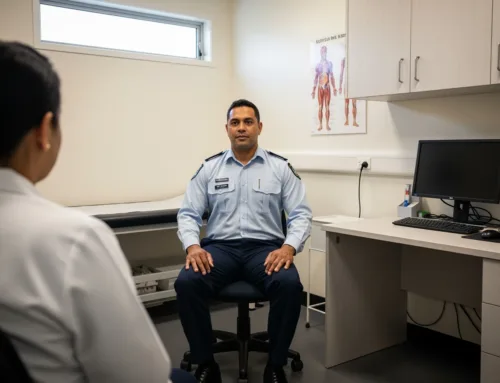
The mental health evaluation NSW typically lasts between one and three hours, depending on the complexity of your case. You’ll meet with either a psychiatrist or psychologist who specialises in forensic assessments for compensation matters. They’re not there to provide therapy or ongoing treatment, they’re there to evaluate and document your condition.
The assessor will ask detailed questions about your life before the incident, the event itself, and how things have changed since. They’ll want to know about your symptoms, how they affect your daily activities, your sleep patterns, your relationships, and your ability to work. They’ll also ask about your medical history, including any previous mental health issues.
Many people freeze up at this point. You might worry that mentioning previous depression or anxiety will harm your claim. Being honest about your history actually strengthens your credibility. Assessors can access your medical records anyway, and they’re trained to distinguish between pre-existing conditions and new symptoms caused by your injury.
Mental State Examination and What Comes Next
The assessor will also conduct what’s called a mental state examination. They’ll observe your appearance, behaviour, mood, and thought patterns during the interview. This isn’t about catching you out, it’s standard clinical practice to assess your current psychological functioning.
You won’t receive results immediately. The assessor will write a detailed report that’s sent to the insurer, your lawyer, and eventually to you. This report will include their diagnosis, their opinion on causation (whether your psychological condition resulted from the incident), and recommendations for treatment and prognosis.
Why This Process Feels More Difficult Than Expected
The Challenge of Articulating Invisible Suffering
Talking about your mental health struggles to a stranger in a formal setting is inherently difficult. You’re being asked to articulate feelings and experiences that you might not fully understand yourself, knowing that your financial future partly depends on how well you communicate your suffering.
There’s also the fear of not being believed. Many psychological symptoms are subjective, you can’t point to an X-ray or scan that proves you’re anxious or depressed. You might worry that if you’re having a slightly better day during the assessment, the assessor won’t grasp how bad things usually are.
This concern is valid, but experienced assessors understand that mental health symptoms fluctuate. They’re trained to look at patterns over time, not just a snapshot of one hour. This is why they’ll ask detailed questions about your symptoms over weeks and months, not just how you’re feeling in that exact moment.
The Power Imbalance and the Urge to Minimise
Another challenge is the power imbalance. The assessor holds significant influence over your claim outcome, and you’re in a vulnerable position. You might feel pressure to perform your suffering in a way that seems “legitimate enough” whilst simultaneously not wanting to appear dramatic or attention-seeking.
We’ve helped clients who’ve told us they minimised their symptoms during assessment because they didn’t want to seem like they were complaining. This instinct to downplay your struggles can seriously harm your claim. The assessor can only report what you tell them and what they observe.
Preparing for Your Mental Health Assessment NSW
What to Bring and How to Frame Your Answers
Preparation helps, but there’s a balance between being ready and becoming consumed by anxiety about the assessment. You don’t need to rehearse answers or create a performance. You just need to be honest and thorough.
Start by writing down your symptoms before the appointment. Note when they started, how often they occur, and how they affect specific areas of your life. If you have panic attacks, describe what triggers them and what happens during one. If you’re avoiding certain situations because they remind you of the incident, list those situations.
Bring a support person if the assessor allows it. Having someone you trust in the room can help you feel more comfortable and can ensure you don’t forget important details. They can also provide their own observations about how your mental health has changed since the incident.
Gather relevant documents: medical records from your GP, any psychology or psychiatry reports you already have, medication lists, and employment records showing time off work. The assessor might not look at all of these during the appointment, but having them available demonstrates thoroughness.
Using Concrete Examples, Not Generalisations
Focus on concrete examples rather than generalisations. Instead of saying “I’m anxious all the time,” you might explain: “I can’t go to the supermarket anymore because crowded spaces make my heart race and I feel like I can’t breathe. Last week I had to abandon my trolley and leave because I was having a panic attack in the checkout queue.”
Don’t try to hide previous mental health treatment. If you saw a psychologist for postnatal depression ten years ago, mention it. If you took antidepressants after a relationship breakdown, include that. The goal is to show the assessor what your baseline was before the incident and how dramatically things have changed since. Our team at Goodman Spring regularly prepares clients for this process so they walk in feeling informed, not blindsided.
Assessment Questions That Catch People Off Guard
Questions About Your History and Coping Behaviours
Some assessment questions feel intrusive or irrelevant, and it’s natural to feel defensive. Assessors often ask about your childhood, family relationships, alcohol and drug use, and previous traumas. These questions aren’t designed to blame you or suggest your current problems are your own fault.
They’re trying to build a complete picture of your psychological functioning and identify any vulnerability factors. For example, someone with a history of childhood trauma might be more susceptible to developing PTSD after a workplace accident. This doesn’t mean you caused your current condition, it just helps explain why you developed these particular symptoms.
Questions about alcohol and drug use are particularly uncomfortable. You might worry that admitting you’ve been drinking more since the accident will make you look like the problem is your fault. Actually, increased alcohol use as a coping mechanism is a common symptom of psychological distress. Be honest about it. The assessor needs to understand the full impact of your injury, including unhealthy coping strategies you’ve developed.
Suicidal Thoughts: Why Honesty Matters
They’ll also ask about suicidal thoughts. This question terrifies many people because they fear it makes them sound unstable or dramatic. If you’ve had thoughts about not wanting to be here anymore, or active plans to harm yourself, you must disclose this. It’s a critical indicator of the severity of your condition, and it ensures you receive appropriate support.
We once worked with a truck driver from Western Sydney who’d been involved in a serious collision. He’d developed severe PTSD and depression but was terrified to admit he’d been having suicidal thoughts. He worried it would make him seem unfit to ever return to work. When he finally disclosed this to the assessor, it actually strengthened his claim significantly and ensured he received intensive treatment that likely saved his life.
When Assessment Reports Don’t Match Your Experience
Your Options When the Report Gets It Wrong
Sometimes you’ll receive the assessment report and feel like the assessor didn’t understand you at all. They might have downplayed your symptoms, missed important details, or reached conclusions that don’t align with your lived experience.
This is frustrating and disheartening, especially when you’ve been vulnerable and honest during the assessment. But an unfavourable report doesn’t necessarily end your claim. You have options.
Your lawyer can request clarification from the assessor on specific points in the report. Sometimes misunderstandings can be resolved through written questions without needing another full assessment. If the report contains factual errors, these can be corrected.
Getting a Second Opinion
In some cases, you might need a second opinion from a different psychiatrist or psychologist. This is particularly relevant if the first assessor lacked expertise in your specific condition, or if there are legitimate concerns about bias or thoroughness in their assessment.
Your treating psychologist or psychiatrist’s opinion also carries weight. They have the advantage of seeing you regularly over an extended period. Their observations about your condition and progress can provide important counterbalance to a single assessment snapshot.
At Goodman Spring, we review every assessment report carefully with our clients. We explain what the findings mean for your claim, identify any areas of concern, and develop a strategy to address gaps or inaccuracies. We’ve successfully challenged unfavourable reports and secured proper recognition of our clients’ psychological injuries.
Why Treatment Recommendations Matter for Your Claim
Following Through on Recommended Care
The assessment report will typically include recommendations for psychological treatment. This might include regular psychology sessions, psychiatric medication, cognitive behavioural therapy, EMDR for trauma, or other interventions. These recommendations are crucial for two reasons.
First, they form the basis for what treatment the insurer should fund as part of your claim. Under NSW workers’ compensation and CTP schemes, you’re entitled to reasonable and necessary treatment for your compensable injuries. The assessment report provides the evidence that this treatment is indeed necessary.
Second, following through with recommended treatment demonstrates that you’re genuinely trying to recover. Insurers look unfavourably on claimants who reject treatment without good reason, as it suggests the condition isn’t as severe as claimed, or that the person isn’t interested in rehabilitation.
When Recommended Treatment Doesn’t Feel Right for You
You might not agree with the recommended treatment, or you might have tried it before without success. You might not have the capacity to attend weekly appointments when you’re barely managing to get out of bed. You might be worried about medication side effects or have cultural or religious concerns about certain treatments.
These are all legitimate barriers, and you shouldn’t feel pressured to accept treatment that doesn’t feel right for you. However, you do need to communicate your concerns clearly and work with your treatment providers to find alternatives that you can engage with. Complete refusal to try any treatment will likely harm your claim.
Treatment recommendations serve as a starting point for discussion, not an ultimatum. If the report recommends weekly psychology sessions but you can only manage fortnightly due to work commitments, that’s a reasonable modification. If medication is recommended but you want to try therapy first, that’s a valid treatment approach. The key is demonstrating that you’re actively working towards recovery.
Your Rights During Mental Health Evaluation NSW
What You’re Entitled to Know and Request
You have specific rights during mental health evaluation NSW processes, and knowing these rights can help you feel more in control.
You’re entitled to know who the assessor is before the appointment and what their qualifications are. If there’s a conflict of interest, such as the assessor having previously worked for the insurer in other capacities, you can raise concerns about their independence.
You have the right to have the assessment conducted in a respectful, professional manner. If an assessor is dismissive, aggressive, or makes you feel uncomfortable, you can end the session and report their conduct. Assessors need to ask difficult questions, but they should do so with appropriate sensitivity.
Receiving and Challenging the Report
You’re entitled to receive a copy of the assessment report. This should be provided to you and your lawyer in a timely manner. The report should clearly explain the assessor’s findings, diagnosis, and reasoning.
If you have specific needs – such as requiring an interpreter, needing the assessment conducted in a particular location due to mobility issues, or requiring breaks due to concentration difficulties – you can request reasonable accommodations. The assessment process should be accessible to you.
You’re not required to attend multiple assessments for the same insurer without good reason. Your lawyer can challenge unnecessary additional assessments.
Taking Your First Steps Towards Assessment
One Step at a Time
If you’re facing a mental health assessment and feeling overwhelmed, focus on one step at a time. You don’t need to have everything figured out or perfectly articulated. You just need to show up and be honest about your experience.
Start by talking to your GP about your psychological symptoms if you haven’t already. They can provide initial documentation and referrals to appropriate mental health professionals. This creates a treatment history that supports your claim.
Write down your symptoms and how they affect your daily life. You don’t need formal medical language, just describe what’s actually happening. “I can’t concentrate at work anymore and I’ve made several mistakes that could have been serious” is more useful than “I have concentration difficulties.”
The Assessment Is an Opportunity, Not Just an Ordeal
Psychological injury claims in NSW can arise from workers’ compensation matters, motor vehicle accidents, or public liability incidents such as assaults or accidents in public places. In each case, the assessment report plays a central role in establishing what you’re owed.
If you’re struggling after a workplace incident or a personal injury has affected your mental health, you’re not alone in finding this process difficult. The assessment might feel like an ordeal, but it’s also an opportunity. It’s a chance to have your suffering formally recognised and documented by a qualified professional. It’s a step towards accessing treatment that can genuinely help you recover. And it’s a necessary part of securing the compensation you need to rebuild your life after injury.
You don’t have to face this alone. Contact us for a free case assessment to speak with experienced compensation lawyers who understand both the legal and human sides of psychological injury claims. We’ve seen hundreds of clients through this process, and we know how to support you in presenting your case honestly whilst protecting your rights and interests. Call us today on (02) 9261 1799.