You’re home from hospital, but your home doesn’t feel like home anymore. The front steps you never thought twice about now feel impossible. The bathroom that was perfectly functional last month is now a daily source of frustration and fear. Your bedroom’s upstairs, but the stairs might as well be Mount Everest.
This is the reality thousands of injured Australians face after a serious accident or workplace injury. You’re dealing with physical pain, emotional upheaval, and now the dawning realisation that your house needs significant changes just so you can live independently. The financial weight of home modifications can be crushing, especially when you’re already managing medical bills and reduced income.
Here’s what most people don’t realise: if someone else caused your injury, or if you were hurt at work, you shouldn’t be paying for these modifications yourself. Under NSW compensation law, home modification costs can often be claimed as part of your compensation. But understanding who pays, what’s covered, and how to actually get the funding approved isn’t straightforward.
Why This Feels More Complicated Than It Should
The Layers That Trip People Up
You might think claiming home modification costs would be simple. You were injured, you need changes to your home, someone’s legally responsible. Done, right?
Not quite. The reality involves multiple funding sources, different eligibility criteria depending on how you were injured, and insurance companies that often question whether modifications are truly “reasonable and necessary”. You’re probably dealing with occupational therapists, builders, case managers, and lawyers while still recovering from your injury.
It’s natural to feel stuck between what your medical team says you need and what the insurer says they’ll pay for. You’re not imagining the complexity. The system genuinely has layers that can trip up even experienced professionals.
What Insurers Are Actually Testing
Most people hesitate to push for what they need because they don’t want to seem demanding or unreasonable. But here’s the truth: insurers budget for home modifications in serious injury cases. They expect these claims. What they’re testing is whether you and your legal team will properly document and justify the need.
At Goodman Spring, we’ve helped hundreds of NSW clients secure funding for everything from wheelchair ramps to complete bathroom renovations. The process can feel overwhelming when you’re already exhausted, but you don’t have to navigate it alone.
What Counts as Home Modifications in NSW Claims
The Range of What Can Be Funded
Home modifications cover any structural changes or equipment installations that help you live safely and independently after an injury. The scope depends entirely on your specific injuries and how they affect your daily functioning.
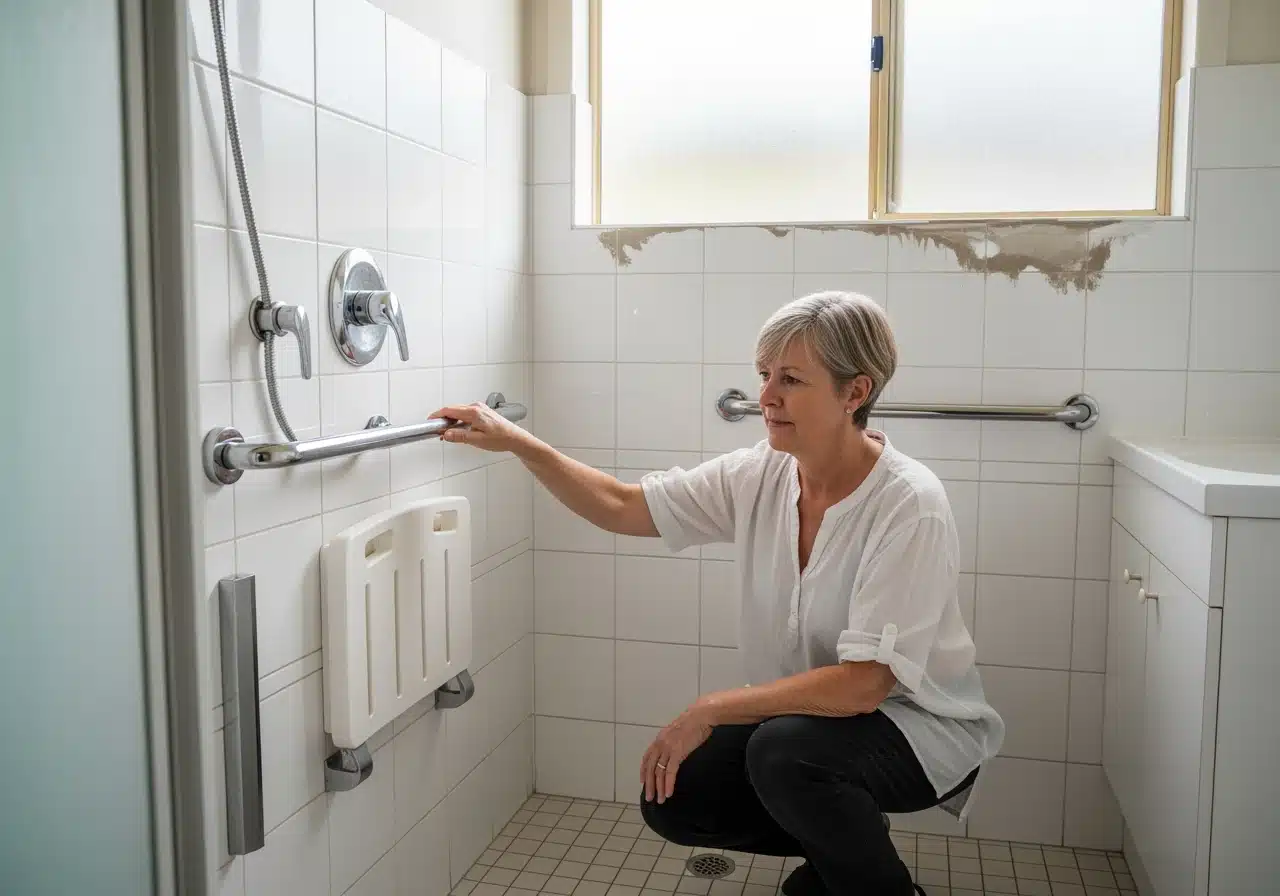
Common modifications we see funded include wheelchair ramps and pathways for access, bathroom renovations with roll-in showers and grab rails, widened doorways and hallways, stairlifts or residential lifts, kitchen modifications for wheelchair accessibility, bedroom relocations to ground-floor areas, automated door systems, and non-slip flooring throughout high-risk areas.
The key test isn’t whether these changes would be nice to have. It’s whether they’re reasonably necessary given your permanent injuries and functional limitations. An occupational therapist’s assessment becomes crucial here, as they evaluate your home environment against your specific needs.
A Real Example of What “Reasonably Necessary” Means
We once worked with a Sydney tradesman who sustained a spinal injury on a construction site. He couldn’t use stairs anymore, but his family home was a two-storey place in the Hills District. His insurer initially offered to fund a stairlift. Sounds reasonable, except his occupational therapist identified that he also needed emergency evacuation capability. We secured funding for a ground-floor bedroom extension with accessible bathroom, which gave him both independence and safety.
Who’s Responsible for Paying: It Depends How You Were Injured
Work-Related Injuries
The funding source for your home modifications depends entirely on the type of compensation claim you’re pursuing. NSW has different schemes with different rules, and understanding which applies to you is the first step.
If you were injured at work, your claim falls under the NSW workers’ compensation system managed by SafeWork NSW. Your employer’s workers’ compensation insurer can fund home modifications if your injury results in permanent impairment that affects your ability to function at home.
The insurer typically requires an occupational therapy assessment and detailed quotes from licensed builders. For significant modifications over a certain threshold, they’ll often want multiple quotes and may send their own assessor to verify the recommendations.
Motor Vehicle Accidents
If your injury resulted from a car or motorcycle accident, the CTP insurance scheme covers reasonable treatment and care costs, including home modifications. The State Insurance Regulatory Authority oversees these claims.
CTP insurers assess home modification requests based on whether the changes are reasonable, necessary, and relate to your accident injuries. They’ll consider your prognosis, whether your condition is likely to improve, and whether modifications are more cost-effective than ongoing care assistance.
For catastrophically injured people, the funding can be substantial. We’ve secured approval for complete ground-floor additions, accessible bathrooms, and smart home technology for clients with severe mobility restrictions after motor vehicle accidents.
Public Liability and Other Claims
If you were injured on someone else’s property, in a public place, or through someone’s negligence outside of work or road accidents, you’re looking at a public liability claim. These claims don’t have the same structured benefits as workers’ compensation or CTP.
Instead, home modification costs become part of your overall damages claim. You’ll need to prove the defendant was negligent, that their negligence caused your injuries, and that the modifications are a reasonably foreseeable consequence of those injuries. The compensation comes as a lump sum settlement or court award rather than direct funding.
The Assessment Process You’ll Face
What the Occupational Therapy Assessment Involves
Getting home modifications approved isn’t just about saying you need them. You’ll go through a formal assessment process that documents exactly what changes are necessary and why.
An occupational therapist will visit your home to assess how your injuries affect your ability to perform daily activities in your current environment. They’ll measure doorways, evaluate bathroom safety, test your ability to navigate stairs, and identify specific hazards or barriers.
This assessment isn’t something to downplay or push through. If you’re struggling with something, say so. If you’re currently relying on family members for help with tasks you should be able to do independently, explain that. The OT needs to see your real functional limitations, not the brave face you might put on for friends.
From OT Report to Builder Quotes
The resulting report becomes the foundation of your modification claim. It’ll specify exactly what changes are recommended, why they’re necessary given your injuries, and how they’ll improve your safety and independence. This document carries significant weight with insurers because it comes from an independent medical professional with expertise in home accessibility.
You’ll then need detailed quotes from licensed builders or contractors who specialise in accessible modifications. Don’t just grab quotes from any builder. You want professionals who understand Australian accessibility standards and have experience with disability modifications. Their quotes need to align precisely with the OT’s recommendations.
What Insurers Actually Approve (and What They Fight)
Where Disputes Arise
Insurers will generally approve modifications that are clearly necessary for basic safety and independence. If you’re in a wheelchair and your bathroom isn’t accessible, that’s straightforward. If you can’t manage stairs and your bedroom’s upstairs, relocating your sleeping area makes sense.
Where disputes arise is around the scope and cost of modifications. An insurer might agree you need an accessible bathroom but question whether you need a full renovation or just grab rails and a shower seat. They might approve a ramp but push back on the pathway modifications your OT recommended.
Common sticking points include aesthetic upgrades beyond functional necessity, modifications that benefit the whole household rather than just the injured person, changes to investment properties or holiday homes, temporary modifications when the condition might improve, and premium materials or finishes beyond standard quality.
Why Legal Representation Changes the Outcome
This is where proper legal representation matters. We’ve seen insurers initially refuse reasonable modifications, only to approve them once we’ve properly documented the medical justification and pointed out their legal obligations.
The test isn’t whether modifications are the cheapest possible option. It’s whether they’re reasonable and necessary given your injuries. Sometimes the more comprehensive modification actually makes more sense long-term than repeated cheaper fixes.
The Guilt You’re Probably Feeling (and Why It’s Misplaced)
You’re Not Being Demanding
Many clients tell us they feel uncomfortable asking for home modifications, especially extensive ones. You might feel like you’re being demanding or taking advantage. If you’re claiming through workers’ compensation, you might worry about burdening your employer. If it’s a CTP claim, you might feel guilty about the cost to the insurance scheme.
This guilt is understandable but misplaced. You didn’t choose to be injured. You didn’t ask for your life to be turned upside down. The compensation system exists precisely because society recognises that when someone’s negligence or a workplace accident causes serious injury, the injured person shouldn’t bear the financial burden of adapting their life.
Insurance Exists Exactly for This
Think of it like this: insurance is essentially a pool of money specifically set aside for situations like yours. The premiums employers and motorists pay aren’t charity. They’re a legal requirement designed to protect injured people. You’re not taking something you don’t deserve. You’re accessing what the system was created to provide.
Your home modifications aren’t about getting something extra. They’re about restoring as much independence and dignity as possible after an injury that wasn’t your fault. That’s not greed. That’s just fair.
When Modifications Need to Happen Before Your Claim Settles
Accessing Interim Funding
Here’s a practical problem many injured people face: you need modifications now, but your compensation claim might take months or years to finalise. You can’t wait that long to safely access your bathroom or bedroom.
In workers’ compensation claims and CTP claims, you can often get interim funding for urgent modifications before your claim fully settles. The insurer assesses your immediate needs and approves funding for essential changes while the broader claim continues.
For personal injury claims, this is trickier. There’s no ongoing benefits system, so you might need to fund modifications yourself initially and claim the costs back later. This is genuinely difficult if you’re also dealing with lost income and medical expenses.
Some options include negotiating an interim payment from the defendant’s insurer if liability is clear, accessing NDIS funding if you’re eligible based on your permanent disability, using victim support schemes for immediate assistance, or taking out loans against the expected settlement (though we generally advise caution here).
We’ve helped clients secure interim funding by demonstrating that delays in modifications are causing additional care costs or safety risks. Insurers sometimes approve modifications earlier when they realise the alternative is paying for ongoing personal care assistance.
Getting Professional Help That Actually Helps
No Win, No Fee Representation
You don’t need a lawyer to request basic home modifications through workers’ compensation or CTP insurance. For straightforward cases where the insurer accepts liability and your needs are clear, the process can work smoothly.
But if your case involves disputed liability, significant modification costs, or an insurer that’s minimising your needs, professional legal help becomes essential. Our personal injury lawyers operate on a No Win, No Fee basis, which means you don’t pay legal fees unless we secure compensation for you.
What we actually do is gather the right evidence, coordinate with your medical team and occupational therapist, negotiate with insurers who are undervaluing claims, and if necessary, take your case to court. We’ve handled enough home modification claims to know what insurers will accept, what they’ll fight, and how to build a case they can’t reasonably refuse.
The difference between representing yourself and having experienced legal support often shows up in the final approval. An insurer might offer $30,000 for basic modifications when your OT has recommended $80,000 in necessary changes. Without proper advocacy, you might accept the lower amount and make do. With proper representation, you’re more likely to secure what you actually need.
Start Here, Not With Perfection
One Practical First Step
If you’re feeling overwhelmed by all this, start with one practical step: get an occupational therapy assessment. Even if you haven’t formally lodged a compensation claim yet, an OT assessment documents your current functional limitations and modification needs. This becomes valuable evidence regardless of which compensation pathway you end up pursuing.
Contact your insurer (if you know who that is) and ask about their process for home modification claims. Get it in writing. Understand what they require before they’ll assess your request.
Document everything yourself as well. Take photos of the areas of your home that are currently inaccessible or unsafe. Keep a diary of daily struggles you’re facing because your home isn’t adapted to your injuries. This personal evidence supports the professional assessments.
Don’t make permanent modifications before getting approval unless you absolutely must for safety reasons. If you do need to make emergency changes, keep all receipts and document why the modification couldn’t wait. You might still be able to claim these costs, but it’s easier when modifications are pre-approved.
Most importantly, don’t assume you’re not entitled to help just because your injuries could be worse or because modifications seem expensive. The test isn’t whether other people have it harder. It’s whether you need these changes to live safely and independently after an injury that wasn’t your fault.
The Reality of Living in an Adapted Home
Independence and What It Actually Means
Home modifications can genuinely transform your daily life after a serious injury. We’ve seen clients go from needing constant assistance to managing independently once their home environment properly supports their needs. That independence isn’t just practical. It’s deeply connected to your mental health and sense of dignity.
But it’s also true that living in a modified home can feel confronting at first. Grab rails and wheelchair ramps are visible reminders of what you’ve lost. Some clients tell us they grieved their old home even while appreciating the new accessibility. This emotional complexity is normal. You’re allowed to feel grateful for modifications that help you function while also feeling sad about needing them in the first place. Both things can be true simultaneously.
What matters is that you get the support you’re entitled to under NSW law. Your home should be a place where you can live with as much independence and safety as possible, regardless of your injuries. If someone else’s negligence or a workplace accident has made that impossible in your current home setup, they should fund the changes that make it possible again.
If you’re unsure where to start or whether your situation qualifies for home modification funding, contact our team for a free assessment. We’ll review your circumstances, explain your options, and help you understand what you’re entitled to claim. Call us on (02) 9261 1799.