Every working day in New South Wales, approximately 150 workers suffer serious injuries that require time off work. Behind these statistics sit real people – tradies who can’t lift their kids, office workers dealing with chronic pain, and families navigating financial stress whilst someone recovers. The NSW workers compensation system processed nearly 100,000 claims in the 2024-2025 financial year, representing billions in economic costs and immeasurable personal impact.
The reality? Most workplace injuries are preventable. They don’t happen because of dramatic accidents or unavoidable circumstances – they occur because of accumulated risk, inadequate systems, and small oversights that compound over time. Whether you’re working on a construction site in Western Sydney, managing a warehouse in Newcastle, or sitting at a desk in the CBD, understanding practical safety measures can mean the difference between going home healthy and facing months of recovery.
This guide delivers specific, actionable strategies that address the most common injury patterns across NSW workplaces, providing practical NSW workplace safety guidance that reduces injury rates. These aren’t theoretical concepts – they’re proven approaches that reduce injury rates when implemented consistently.
Conduct Comprehensive Risk Assessments Before Tasks Begin
Identifying Hazards Before Work Begins
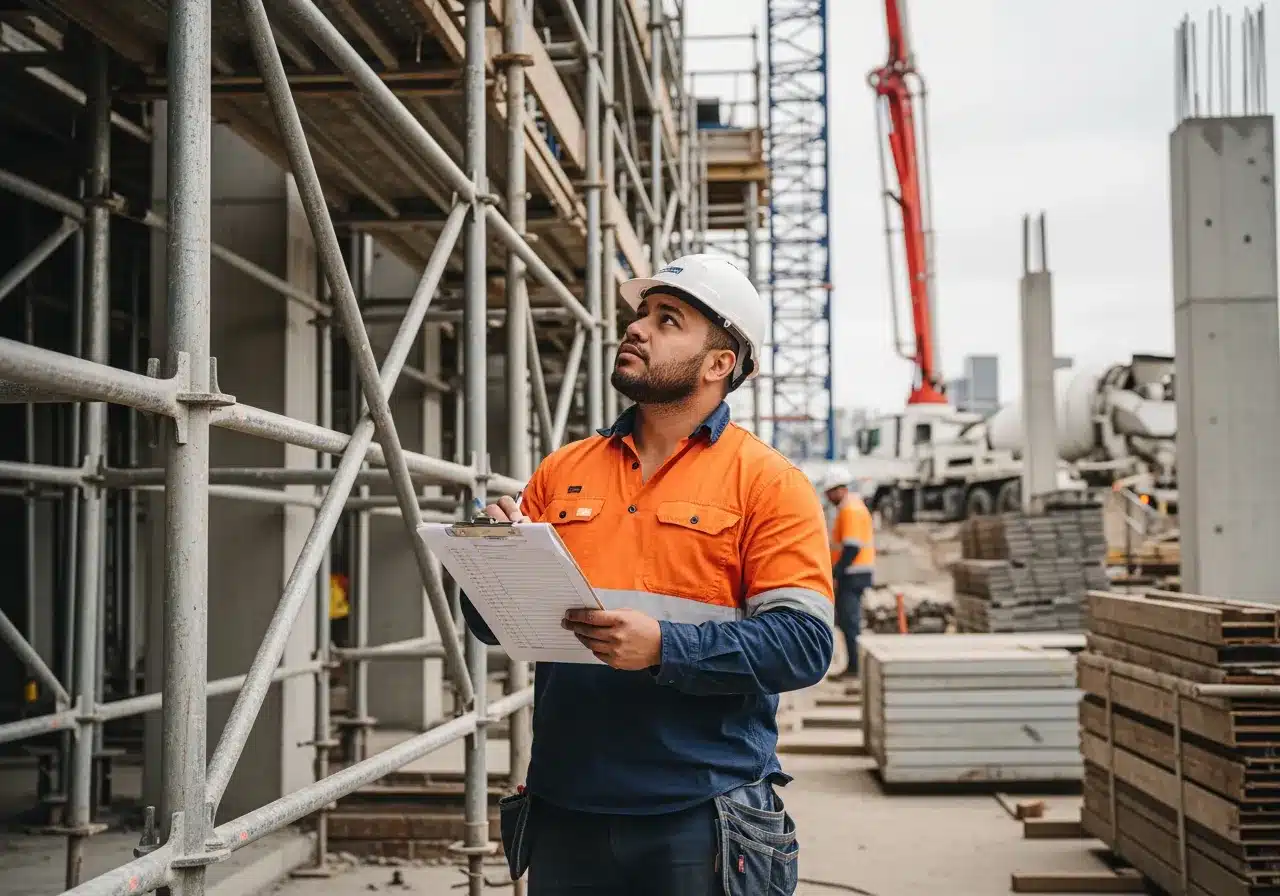
Risk assessment isn’t paperwork for compliance sake – it’s the systematic identification of what can actually hurt people. In NSW workplaces, the failure to properly assess risk before starting work contributes to roughly 40% of serious incidents.
Effective risk assessment follows a clear pattern. Before any task begins, workers and supervisors should identify hazards specific to that job, that day, in those conditions. A formwork carpenter might face different risks on a wet Monday morning than a dry Thursday afternoon. The assessment needs to account for these variables.
Applying the Hierarchy of Controls
The hierarchy of controls provides the framework: eliminate the hazard entirely if possible, substitute it with something safer, isolate people from it through engineering controls, implement administrative controls like procedures and training, and finally use personal protective equipment as the last line of defence. This hierarchy matters because PPE fails regularly – straps break, workers forget items, equipment gets damaged. The most effective controls don’t rely on perfect human behaviour.
Document these assessments, but more importantly, ensure everyone involved understands them. A risk assessment sitting in a site office helps nobody. The rigger 15 metres up needs to know what hazards were identified and what controls protect them.
Implement Proper Manual Handling Techniques
Eliminating and Reducing Manual Handling Tasks
Manual handling injuries account for approximately one-third of all serious workers compensation claims in NSW. Back injuries, shoulder strains, and musculoskeletal disorders cost the state’s economy over $800 million annually in direct compensation costs alone.
The solution isn’t simply “lift with your legs” – it’s redesigning work to eliminate or reduce manual handling wherever possible. Before anyone lifts anything, ask whether mechanical aids could do the job. Trolleys, forklifts, hoists, and conveyors remove human bodies from the equation entirely.
Safe Lifting Technique and Job Rotation
When manual handling becomes unavoidable, technique matters enormously. Keep loads close to your body – every centimetre of distance multiplies the strain on your spine. Test the weight before committing to a lift. Get help for anything over 16 kilograms, or less if the load is awkward, unstable, or requires lifting above shoulder height or below knee level.
Plan the entire movement before starting. Know where you’re going, ensure the path is clear, and position yourself so you don’t need to twist whilst carrying weight. Twisting under load causes more back injuries than almost any other movement pattern.
For workplaces with regular manual handling, implement job rotation to prevent repetitive strain. A warehouse worker picking orders shouldn’t spend eight hours doing identical movements. Rotating tasks spreads load across different muscle groups and reduces cumulative trauma.
Maintain Strict Electrical Safety Protocols
Exclusion Zones, Testing, and RCD Requirements
Electrical incidents represent a small percentage of total workplace injuries but account for a disproportionate number of fatalities. In NSW construction sites alone, electrical hazards contribute to approximately 10-15 deaths annually, with many more workers suffering serious burns, cardiac events, or falls caused by electric shock.
The fundamental electrical safety protocol principle: treat every electrical source as live until proven otherwise. Test before touch, using appropriate voltage detectors, never relying on circuit breakers or switches that might be mislabelled or faulty.
Establish and maintain exclusion zones around overhead powerlines – minimum 3 metres for lines up to 132kV, increasing with voltage. Cranes, elevated work platforms, and long materials like scaffolding poles kill workers every year through powerline contact. If work must occur near lines, arrange de-energisation or insulation with the network operator well in advance.
Use residual current devices (RCDs) on all portable electrical equipment and test them regularly – monthly for construction sites, quarterly for other workplaces. RCDs detect current leakage and disconnect power in milliseconds, preventing electrocution. They fail occasionally, which is why testing matters.
Licensed Electrician Requirements Under NSW Law
Ensure only licensed electricians perform electrical work as required by NSW electrical safety protocol standards. NSW law is explicit on this point, and for good reason – amateur electrical work kills people. The few hundred dollars saved by having an unlicensed person “just quickly fix” something isn’t worth a life or a manslaughter prosecution.
Establish Clear Communication Systems
Pre-Start Meetings and Real-Time Communication
Communication failures contribute to roughly 30% of workplace incidents in NSW. When workers don’t know what’s happening around them, they make decisions based on incomplete information, often with serious consequences.
Effective workplace safety NSW communication operates on multiple levels. Pre-start meetings establish the day’s work scope, identify hazards, and ensure everyone understands their role. These meetings shouldn’t be box-ticking exercises – they’re opportunities to surface concerns and adjust plans before problems occur.
During work, maintain clear communication channels appropriate to the environment. Construction sites might use two-way radios, whilst warehouses might implement exclusion zones with signage and barriers. The method matters less than the outcome – ensuring workers know about hazards and changing conditions in real-time.
Permit-to-Work Systems and Near-Miss Reporting
Implement permit-to-work systems for high-risk activities. Before anyone enters a confined space, works at height, or conducts hot work, a formal permit process ensures all stakeholders know what’s happening and have verified controls are in place. These permits create accountability and prevent assumptions that kill people.
Encourage reporting of near-misses and hazards without blame. Most serious incidents are preceded by near-misses that went unreported because workers feared repercussions. A culture where people feel safe reporting problems catches failures before they cause injuries.
Provide Adequate Training and Supervision
Specific, Practical Training and Competency Verification
Inadequate training contributes to approximately 25% of serious workplace injuries in NSW, with new and young workers particularly vulnerable. Workers under 25 experience injury rates roughly 30% higher than older workers, largely because they lack experience recognising and responding to hazards.
Training must be specific, practical, and verified. Generic induction programs that cover everything and nothing don’t prepare workers for actual job demands. A new warehouse worker needs training on the specific equipment they’ll operate, the particular hazards of that facility, and the emergency procedures for that site.
Competency verification matters more than attendance records. Can the worker actually perform the task safely, or did they just sit through a presentation? Practical assessment identifies gaps before they cause injuries. For high-risk work like operating mobile plant or working at height, NSW law mandates formal licensing or certification for good reason.
Supervision Intensity and Refresher Training
Supervision intensity should match worker experience and task risk. A first-week apprentice shouldn’t work unsupervised on hazardous tasks regardless of their training. Direct supervision means the supervisor is present and watching, not in an office three buildings away.
Provide refresher training regularly. Skills and knowledge decay over time, and complacency creeps in as tasks become routine. Annual refreshers on critical safety procedures maintain awareness and catch developing bad habits before they cause incidents.
Maintain Equipment and Machinery Properly
Preventive Maintenance Schedules and Pre-Start Checks
Equipment failure causes approximately 15% of serious workplace injuries in NSW. Faulty machinery doesn’t just break down – it injures people. Hydraulic hoses that burst spray high-pressure fluid that can inject through skin. Worn brakes on forklifts fail at critical moments. Frayed electrical cords electrocute workers.
Implement systematic preventive maintenance schedules based on manufacturer recommendations and usage patterns. Equipment used intensively needs more frequent inspection and maintenance than occasionally-used items. Document all maintenance activities – these records prove compliance and help identify recurring problems.
Conduct pre-start checks before operating any machinery. Walk around the equipment, check for fluid leaks, test controls, verify guards are in place. These checks take minutes and catch problems before they cause injuries. Make pre-start checks mandatory, not optional.
Faulty Equipment Removal and Machine Guarding
Remove faulty equipment from service immediately and tag it clearly. “Do not operate” tags prevent well-meaning workers from using dangerous equipment. Repair or replace faulty items promptly – equipment sitting broken for weeks tempts people to use it anyway or creates pressure to rush repairs.
Ensure machine guarding remains in place and functional. Guards exist because the machine can hurt people. Removing guards to speed up work or improve access trades minor convenience for major injury risk. In NSW, operating machinery with guards removed or disabled breaches work health and safety laws and can result in significant penalties.
Control Slip, Trip, and Fall Hazards
Housekeeping, Floor Surfaces, and Lighting Standards
Slips, trips, and falls represent the single largest category of workplace injuries in NSW, accounting for approximately 35% of all workers compensation claims. These aren’t minor incidents – falls from height kill 30-40 workers nationally each year, whilst same-level falls cause serious fractures, head injuries, and permanent disabilities. Workers who suffer serious falls may be entitled to pursue personal injury compensation beyond standard workers compensation entitlements.
Good housekeeping prevents most slip and trip hazards and forms the foundation of slip and fall prevention strategies. Maintain clear walkways, clean up spills immediately, secure cables and hoses, and store materials properly. Clutter creates trip hazards, and every workplace accumulates clutter without systematic attention to order.
Address floor surface issues promptly. Worn flooring, uneven surfaces, loose tiles, and damaged carpet all increase fall risk. In wet areas or where spills occur regularly, use slip-resistant flooring materials. For temporary wet conditions, use warning signs, barriers, and anti-slip treatments.
Ensure adequate lighting throughout the workplace. People can’t avoid hazards they can’t see. Minimum lighting standards exist in NSW work health and safety regulations, but good practice exceeds minimums in high-traffic areas and wherever detailed work occurs.
Working at Height and Ladder Safety
For work at height, the hierarchy of controls applies strictly: eliminate the need to work at height if possible, use properly designed work platforms with guardrails, use properly installed fall arrest systems, and only as a last resort use fall arrest harnesses. Harnesses don’t prevent falls – they arrest falls after they occur, and the arrest itself can cause serious injuries.
Maintain stairs and ladders properly. Stairs need slip-resistant treads, secure handrails, and clear markings. Ladders must be in good condition, set up on stable ground at correct angles, and secured against movement. More workers are injured on ladders than almost any other equipment.
Manage Workplace Fatigue Systematically
Work Scheduling, Shift Rotation, and Break Systems
Fatigue impairs judgement, slows reaction times, and increases error rates. A worker operating on inadequate sleep performs similarly to someone with a blood alcohol content of 0.05% – legally impaired for driving, and dangerously impaired for operating machinery or working at height.
Fatigue management starts with work scheduling. Shifts longer than 12 hours dramatically increase incident risk. Night shifts disrupt circadian rhythms and require additional controls. Rotating shifts should rotate forward (day to evening to night) rather than backward, and workers need adequate time off between shifts to recover.
For workplaces with extended hours or demanding physical work, implement regular breaks. The NSW workers compensation system sees repeated claims from workers who pushed through fatigue because break systems didn’t exist or weren’t enforced. Breaks aren’t productivity losses – they’re injury prevention.
Educating Workers to Recognise Fatigue
Educate workers about sleep hygiene and fatigue signs. Many people don’t recognise their own impairment. If someone is yawning repeatedly, struggling to focus, or making uncharacteristic errors, they’re too fatigued to work safely. Create a culture where workers feel empowered to report fatigue without fear of penalty.
For industries with long-distance driving or extended shifts, consider fatigue monitoring technology. Whilst controversial, properly implemented systems can identify dangerous fatigue levels before they cause incidents.
Implement Effective Emergency Procedures
Documenting and Practising Emergency Procedures
When incidents occur, the response in the first minutes often determines outcomes. Workers who know exactly what to do save lives. Workers who panic, delay, or improvise make situations worse.
Every NSW workplace must have emergency procedures covering fire, medical emergencies, and site-specific risks. These procedures must be documented, communicated to all workers, and practised regularly. Annual fire drills aren’t sufficient – quarterly drills ensure new workers understand procedures and experienced workers maintain proficiency.
First Aid Requirements and Evacuation Route Maintenance
Maintain adequate first aid capability. NSW regulations specify minimum first aid requirements based on workplace size and risk level, but good practice exceeds minimums. First aiders need regular refresher training – skills decay rapidly without practice. First aid kits must be fully stocked, regularly checked, and accessible.
Ensure clear evacuation routes that remain unobstructed. Emergency exits blocked by storage or locked for security kill people during fires. Conduct regular checks to verify exits remain clear and accessible.
Establish clear procedures for notifying emergency services. In high-stress situations, people forget details or provide incomplete information. Posted instructions near phones listing the address, nearest cross-streets, and specific location information help emergency services reach the site quickly.
For workplaces with serious injury risks, consider keeping emergency response equipment on-site. Defibrillators save lives during cardiac events. Burn kits, eye wash stations, and spill containment equipment enable immediate response whilst waiting for emergency services.
Foster a Positive Safety Culture
Leadership Commitment and Worker Involvement
Culture determines whether safety systems work or become paperwork exercises. In workplaces with poor safety culture, workers ignore procedures, hide incidents, and pressure each other to take shortcuts. In workplaces with strong safety culture, workers actively look out for each other, report hazards proactively, and refuse unsafe work without fear.
Building positive safety culture starts with leadership commitment. When managers and supervisors consistently prioritise safety over production pressure, workers follow. When leaders say safety matters but reward speed over caution, workers learn the real priority quickly.
Involve workers in safety decisions. The people doing the work often understand hazards and practical solutions better than managers in offices. Safety committees with genuine worker representation identify problems early and develop solutions that actually work in practice.
Hazard Reporting, Recognition, and Consistent Discipline
Respond to all reported hazards and incidents promptly and visibly. When workers report problems that get ignored, they stop reporting. When they see their concerns addressed quickly, they report more, and the workplace becomes safer.
Celebrate safety achievements, but focus on leading indicators rather than lagging ones. “Days without injury” metrics can discourage reporting. Better metrics include hazards identified and corrected, near-misses reported, or safety suggestions implemented.
Discipline unsafe behaviour consistently and fairly, but distinguish between wilful violations and system failures. A worker who deliberately removes machine guarding needs discipline. A worker who makes an error because training was inadequate needs better training, not punishment.
Conclusion
Workplace safety in NSW isn’t about luck or hoping injuries won’t happen – it’s about systematic implementation of proven controls that address the most common injury causes. The ten strategies outlined here tackle the hazards that generate the majority of workers compensation claims: manual handling injuries, slips and falls, equipment failures, electrical incidents, and the human factors of fatigue and communication breakdowns.
For workers, these practices mean going home healthy every day. For employers, they mean lower insurance premiums, reduced compensation costs, better productivity, and compliance with legal obligations. For the broader NSW community, they mean fewer families dealing with the devastating ripple effects of workplace injuries.
Implementation requires commitment and consistency. Effective workplace safety NSW systems work when they’re maintained, not when they’re implemented once and forgotten. Regular reviews, ongoing training, and continuous improvement keep safety programs effective as workplaces and risks evolve.
When injuries do occur despite preventive efforts, understanding your rights under NSW workers compensation law becomes critical. Injured workers have legal entitlements to medical treatment, income support, and rehabilitation services through the WorkCover claims process. Where a workplace injury results in permanent incapacity, a total and permanent disability claim through superannuation may also be available alongside workers compensation. Navigating the claims process, dealing with insurance companies, and ensuring you receive appropriate compensation can be complex, particularly when recovering from injury.
If you’ve been injured at work or have questions about workplace safety obligations and workers compensation entitlements, Goodman Spring provides professional legal advice to ensure your rights are protected and you receive the support you’re entitled to under NSW law. The path to recovery shouldn’t include fighting for basic entitlements or navigating bureaucratic complexity alone. Talk to our workers compensation lawyers on (02) 9261 1799.