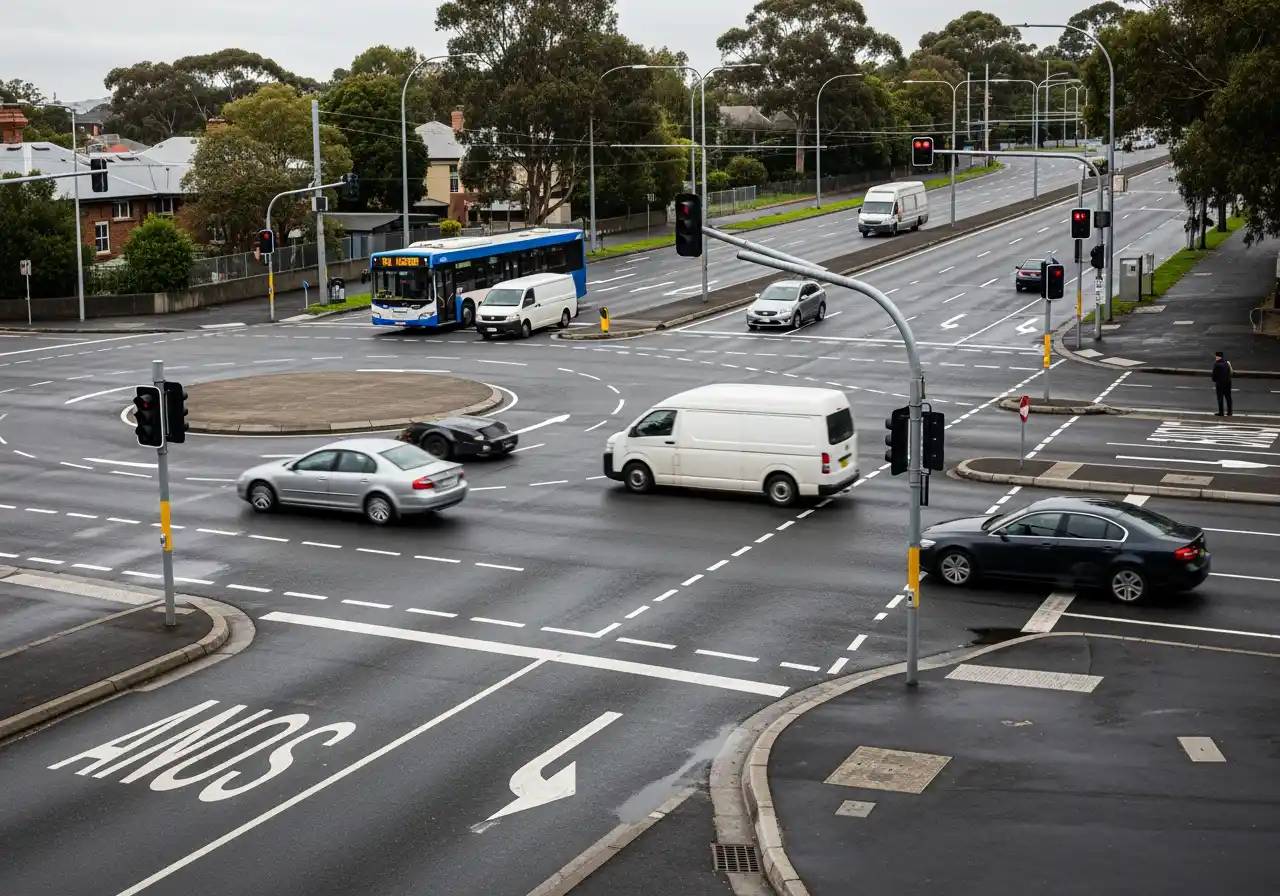
Every year, thousands of NSW residents suffer preventable injuries at locations where accidents cluster with predictable regularity. Transport for NSW data shows that 60% of serious road crashes occur at just 10% of the state’s intersections, while workplace safety reports reveal that specific industries account for disproportionate injury rates. Understanding where these accident hotspots NSW exist – and why they persist – gives residents practical tools to reduce their risk.
The concentration of accidents at specific locations isn’t random. Engineering deficiencies, human behaviour patterns, environmental factors, and regulatory gaps create conditions where injuries become statistically likely rather than merely possible. For anyone navigating NSW roads, workplaces, or public spaces, recognising these patterns provides a foundation for informed decision-making about personal safety.
High-Risk Road Intersections Across NSW
Metropolitan and Regional Intersection Risk Profiles
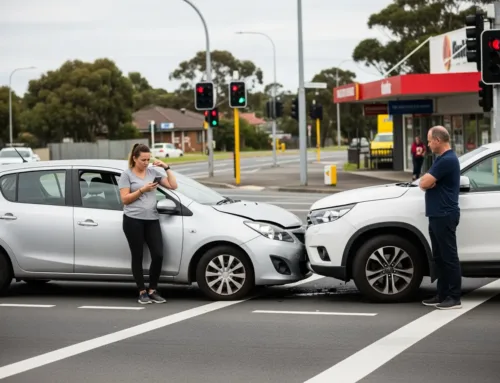
NSW road safety data identifies consistent patterns in where serious crashes occur. The intersections of major arterial roads, particularly those with complex traffic light sequences or multiple turning lanes, generate collision rates three to five times higher than standard intersections.
Across Australia’s metropolitan areas, major highway off-ramps at busy arterial roads have recorded dozens of serious crashes over recent years, with rear-end collisions accounting for 68% of incidents. Complex intersections with multiple turning lanes consistently rank among the state’s most dangerous, with T-bone collisions during right-turn manoeuvres being the primary concern.
Regional areas present different risk profiles. Major highways through coastal and inland towns, despite recent upgrades, maintain elevated crash statistics at intersections where highway speeds drop suddenly near commercial zones. Intersections where high-speed through-traffic meets local turning vehicles have seen numerous reported accidents, with speed differential identified as the primary contributing factor.
Practical Safety Measures at Known Danger Points
Practical safety measures at high-risk accident hotspots NSW include: increase following distance to four seconds when approaching known dangerous intersections, assume other drivers may run red lights during the first two seconds after your light turns green, use alternative routes during peak hours when intersection congestion increases rear-end collision risk, and report malfunctioning traffic signals immediately to local councils or Transport for NSW.
The NSW Centre for Road Safety maintains an interactive crash data map that allows residents to check accident statistics for specific intersections. Reviewing this data for regular routes provides concrete information about where heightened caution matters most.
Workplace Accident Concentration Points
Construction, Manufacturing, and Transport Hazards
SafeWork NSW records show that 72% of serious workplace injuries occur in just five industry sectors: construction, manufacturing, transport and logistics, healthcare, and agriculture. Within these sectors, specific activities and locations generate injury rates that far exceed industry averages.
Construction sites present multiple accident hotspots NSW. Falls from height account for 34% of construction fatalities, with residential roof work and multi-storey formwork identified as the highest-risk activities. Electrical work in older buildings, particularly those built before 1990, carries elevated electrocution risk due to outdated wiring systems and inadequate safety switches.
Manufacturing facilities show injury clustering around specific equipment types. Conveyor systems account for 18% of manufacturing injuries, with jam-clearing procedures identified as the most dangerous activity. Metal fabrication workshops report elevated injury rates at grinding stations, where inadequate guarding and improper personal protective equipment contribute to preventable accidents.
Transport and logistics operations demonstrate clear accident patterns. Loading dock areas generate three times the injury rate of other warehouse zones, with forklift-pedestrian interactions responsible for the majority of serious incidents. Long-haul truck drivers face elevated crash risk on specific highway sections, particularly major interstate routes, where fatigue-related accidents spike during night-time hours.
Healthcare Worker Injuries and Safety Protocols
Healthcare workers experience injury concentration in patient handling activities. Manual lifting of patients accounts for 41% of healthcare worker compensation claims, with aged care facilities reporting the highest rates. Needle-stick injuries cluster in emergency departments and surgical wards, where time pressure and high patient volumes increase procedural shortcuts.
Industry-specific safety protocols include: construction workers should verify fall protection systems before starting elevated work and refuse tasks where adequate protection isn’t provided; manufacturing employees must insist on lockout/tagout procedures before clearing equipment jams; transport workers should document fatigue levels and refuse dispatch requests that violate rest requirements; and healthcare staff should request mechanical lifting equipment for patients over 35kg.
Workers who identify unsafe conditions at these known accident hotspots NSW have legal protections under the Work Health and Safety Act 2011. Refusing genuinely unsafe work cannot result in lawful termination or adverse action.
Pedestrian Danger Zones in Urban Areas
CBD Intersections, Mid-Block Crossings, and School Zones
Pedestrian accidents concentrate at specific urban locations where vehicle-pedestrian interaction increases. CBD data shows that 83% of pedestrian injuries occur at just 15% of intersections, with major shopping streets accounting for disproportionate incident numbers.
Mid-block crossings – locations where pedestrians cross outside designated crosswalks – generate injury rates seven times higher than controlled intersections. Busy arterial roads between suburbs record averages of numerous pedestrian strikes annually, with 62% occurring at mid-block locations where pedestrians attempt to cross multiple lanes of traffic.
School zones present paradoxical risk patterns. While 40km/h speed limits reduce injury severity, the concentration of child pedestrians creates statistical hotspots. Analysis of school zone accidents reveals that 78% occur during the 15-minute period immediately before school starts, when rushing parents and distracted children converge.
Shopping Centre Car Parks and Pedestrian Safety Strategies
Shopping centre car parks account for 23% of pedestrian injuries in suburban areas. Major shopping centres report the highest incident numbers, with reversing vehicles striking pedestrians in parking aisles responsible for the majority of injuries.
Pedestrian safety strategies include: cross only at controlled intersections in high-traffic areas, even when mid-block crossing appears convenient; make eye contact with drivers before entering crosswalks – never assume vehicles will stop; in shopping centre car parks, walk in driving lanes rather than between parked cars where reversing drivers can’t see you; and use pedestrian countdown timers to judge whether you have adequate time to cross safely.
The NSW Pedestrian Council provides detailed safety maps for major urban centres, identifying specific locations where pedestrian injuries cluster and recommending safer alternative routes.
Cycling Accident Concentration Areas
Door Zone Accidents and Roundabout Risks
Cyclist injury data reveals clear patterns in where accidents occur. Contrary to common perception, 61% of serious cyclist injuries happen on roads rather than dedicated bike paths, with specific road configurations generating elevated risk.
Door zone accidents – where opening car doors strike passing cyclists – concentrate on streets with angled parking adjacent to bike lanes. Popular inner-city streets report the highest door zone injury rates. These accidents typically occur when cyclists ride too close to parked cars, leaving insufficient reaction time when doors open unexpectedly.
Roundabouts present significant cyclist risk, particularly multi-lane roundabouts where drivers focus on vehicles rather than bicycles. Major suburban roundabouts have recorded multiple serious cyclist injuries, with vehicles failing to give way to cyclists already in the roundabout identified as the primary cause.
Heavy Vehicle Interaction and Risk Reduction
Heavy vehicle interaction zones show elevated cyclist fatality risk. Roads with frequent truck traffic, particularly industrial areas and port access routes, account for 34% of cyclist fatalities despite representing only 8% of cycling kilometres travelled. Left-hook accidents – where trucks turn left across cyclists travelling straight – occur most frequently at intersections immediately after traffic lights, where trucks accelerate from stops.
Cyclist risk reduction approaches include: ride at least 1.5 metres from parked cars to avoid door zone accidents, take the lane in roundabouts rather than hugging the kerb – this forces drivers to acknowledge your presence, avoid riding beside heavy vehicles at intersections – position yourself either clearly ahead or clearly behind, and use alternative routes that avoid known accident hotspots NSW, even if they add distance.
Bicycle NSW maintains detailed maps of high-risk cycling locations and recommends safer alternative routes for commuters and recreational riders throughout the state.
Shopping Centre and Public Space Hazards
Supermarkets, Food Courts, and Escalator Injuries
Public liability claims data reveals that specific retail and public environments generate predictable injury patterns. Slip and fall accidents account for 42% of public liability claims in NSW, with certain locations showing dramatically elevated incident rates.
Supermarket produce sections report injury rates three times higher than other store areas. Wet floors from misting systems, dropped produce items, and inadequate warning signage combine to create slip hazards. Major supermarket chains have faced multiple claims from falls in produce aisles, with inadequate cleaning protocols identified as a contributing factor.
Shopping centre food courts present multiple hazard types. Spilled drinks on polished floors create slip risks, while inadequate table spacing leads to trip hazards during peak hours. Major shopping centres across metropolitan areas report averages of numerous slip and fall incidents annually in food court areas, with Friday evening and weekend lunch periods showing the highest incident concentration.
Escalators generate specific injury patterns, particularly in retail environments. while falls on escalators – often when riders carry shopping bags that impair balance. Children under eight face elevated risk, with small fingers or footwear getting caught in escalator combs representing the most common accident locations Australia.
Public swimming pools and aquatic centres show injury clustering in specific zones. splashed water, creating conditions where falls become statistically likely.
Public Space Safety Practices and Duty of Care
Public space safety practices include: photograph hazardous conditions immediately if noticing them – this documentation proves valuable if injuries occur; report spills or hazards to management and request confirmation that cleaning has been scheduled; avoid walking while using mobile phones in crowded retail spaces; and supervise children closely on escalators and ensure shoelaces are tied and loose clothing is secured.
Property owners and occupiers owe visitors a duty of care under NSW common law. When they fail to maintain safe premises or warn of known hazards, injured parties may have valid public liability compensation claims regardless of whether criminal charges result.
Seasonal and Weather-Related Risk Factors
Wet Weather, Summer Heat, and Winter Slip Risks
Accident hotspots NSW shift with seasonal conditions and weather events. Understanding these temporal patterns allows residents to adjust behaviour during elevated-risk periods.
Wet weather dramatically increases road accident risk at specific locations. Roads with poor drainage, particularly underpasses and low-lying sections, become hydroplaning hazards during heavy rain.
Summer heat creates workplace accident spikes in outdoor industries. with heat stress impairing judgment and reaction times. Regional areas experience more pronounced effects, with western metropolitan areas and inland regions showing the highest heat-related injury correlations.
Winter months bring elevated slip and fall risk in outdoor public spaces. Morning frost on footpaths and building entrances creates hazards that property owners often fail to address adequately. Council areas including mountain regions, highland areas, and elevated inland locations report sharp injury increases during winter months, with footpath falls accounting for the majority of incidents.
School Holidays and Seasonal Safety Adjustments
School holiday periods alter traffic patterns and create different accident hotspots NSW. with unfamiliar drivers navigating unknown roads contributing to elevated crash risk.
Seasonal safety adjustments include: outdoor workers should insist on rest breaks every 45 minutes during heat waves and refuse work when heat stress symptoms appear; during winter months, use building side entrances rather than main entrances where frost accumulates; and tourist areas during school holidays require extra defensive driving – assume other drivers may make unpredictable manoeuvres.
The Bureau of Meteorology provides severe weather warnings that allow residents to avoid travel during the highest-risk conditions. Monitoring these warnings and adjusting plans accordingly prevents exposure to predictably dangerous situations.
Legal Protections When Accidents Occur
Foreseeability and Heightened Duty at Known Hotspots
Understanding rights after an accident at a known hotspot strengthens positioning when seeking compensation. NSW personal injury law recognises that property owners, employers, and government authorities owe heightened duties of care at locations with documented accident histories.
The principle of foreseeability becomes particularly relevant at accident hotspots NSW. When authorities or property owners know that specific locations generate elevated injury risk, their failure to implement adequate safety measures may constitute negligence. Courts have found councils liable for failing to install traffic lights at intersections with documented crash histories, and property owners liable for failing to address known slip hazards.
Workers injured at workplace common accident locations Australia may have claims beyond standard workers compensation. When employers knowingly assign workers to high-risk activities without adequate safety systems, serious and wilful misconduct claims become possible. These claims provide compensation for pain and suffering beyond standard workers compensation benefits.
Government authorities face particular scrutiny regarding known accident hotspots NSW. Roads and traffic authorities have faced successful claims when failing to address documented dangerous intersections despite having data showing elevated crash risk. The principle that government agencies cannot ignore known hazards creates accountability for addressing accident hotspots.
Steps to Protect Your Legal Rights After an Accident
Steps to protect legal rights after accidents include: photograph accident scenes comprehensively, including surrounding conditions and any relevant signage; report accidents to relevant authorities immediately – WorkCover for workplace injuries, police for road accidents, property management for premises incidents; obtain witness contact information before leaving accident scenes; seek medical assessment within 24 hours, even for apparently minor injuries; and document the accident location precisely, including GPS coordinates if possible. Those injured in road collisions should also seek advice about their entitlements under a motor vehicle accident claim as early as possible.
Specialist Goodman Spring lawyers understand how accident hotspot data strengthens compensation claims. This data demonstrates that injuries were foreseeable and that responsible parties failed to implement adequate safety measures.
Taking Control of Your Safety
Accident hotspots NSW exist because of identifiable, persistent factors rather than random chance. The concentration of injuries at specific intersections, workplaces, and public spaces reflects systemic failures in design, maintenance, and safety management. While individuals cannot eliminate these hazards, understanding where they exist and why they persist enables informed decisions about personal risk management.
The NSW government maintains multiple databases tracking accident locations and patterns. Transport for NSW publishes crash data, SafeWork NSW reports workplace injury statistics, and local councils track public liability claims. Accessing this information takes minutes but provides concrete knowledge about the specific locations where heightened caution matters most.
When accidents do occur at known hotspots, the documented history of injuries strengthens legal claims. Authorities and property owners who fail to address known hazards face increased liability for resulting injuries. This creates both a legal incentive for hazard remediation and a stronger foundation for compensation claims when prevention fails.
Safety depends partly on others meeting their legal obligations, but primarily on informed decision-making. Knowing which intersections generate the most crashes, which workplace activities carry elevated injury risk, and which public spaces show documented hazard patterns gives practical tools to reduce exposure. Combined with appropriate caution during high-risk conditions and willingness to report hazards or refuse unsafe work, this knowledge translates into measurably reduced injury risk.
Conclusion
Understanding common accident locations Australia provides essential knowledge for navigating NSW safely. These patterns persist because of systemic factors – engineering deficiencies, inadequate safety protocols, environmental conditions, and regulatory gaps.
Armed with this knowledge, residents can make informed decisions about route selection, workplace safety practices, and public space navigation. Consulting accident databases before establishing regular commute routes, understanding which workplace activities carry elevated risk, and recognising seasonal factors that shift accident patterns all contribute to measurably reduced personal risk.
When accidents do occur at documented hotspots, the history of incidents at those locations strengthens legal claims for compensation. Courts recognise that property owners, employers, and government authorities bear heightened duties of care at locations with known accident histories. Failure to address documented hazards constitutes negligence that supports both personal injury claims and systemic improvements preventing future accidents.
If an accident has occurred at a location with a documented history of incidents, or if a hazard has been identified that authorities have failed to address, get advice from our personal injury team on (02) 9261 1799 to discuss how accident hotspots NSW data can strengthen compensation claims.