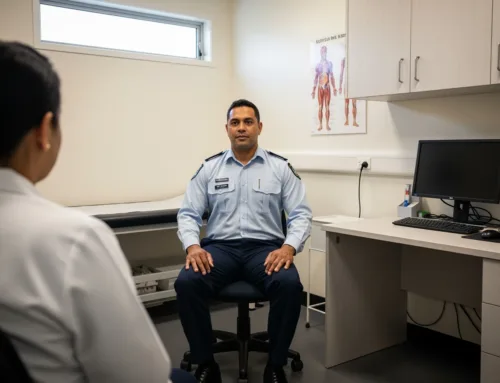
Insurance investigator claims NSW situations hit people when they least expect them – often while still recovering from an injury and trying to piece together what comes next. In New South Wales, these investigators work for insurers handling workers compensation claims, CTP (Compulsory Third Party), and personal injury matters. Their job is to verify your claim’s legitimacy, but their methods can feel intrusive, confronting, and deeply unsettling if you’re unprepared.
Understanding how to navigate interactions with insurance investigators protects both your claim and your wellbeing during an already difficult period. This guide outlines the practical dos and don’ts that NSW claimants need to know when facing investigation.
Who Are Insurance Investigators and What Do They Actually Do?
Their Role and Legal Boundaries
Insurance investigator claims NSW professionals are private contractors hired by insurers to gather evidence about compensation claims. In New South Wales, they operate within strict legal boundaries set by the Surveillance Devices Act 2007 and privacy legislation, but their investigative scope remains broad.
Types of Investigation Activities
Their typical activities include:
Surveillance: Recording your movements in public spaces, documenting physical activities, and noting inconsistencies between claimed injuries and observed behaviour
Social media monitoring: Reviewing public posts, photos, and check-ins that might contradict injury claims
Background checks: Examining employment history, previous claims, and medical records
Witness interviews: Speaking with neighbours, employers, or acquaintances about your activities and condition
Scene investigations: Visiting accident locations to photograph conditions and gather evidence
The investigator’s goal is straightforward – they’re looking for evidence that undermines your claim. A video of you lifting shopping bags might seem innocuous to you, but investigators will use it to question your reported back injury. A Facebook photo from a friend’s birthday party could be presented as evidence you’re not experiencing the psychological distress you’ve claimed.
Why Insurers Investigate Claims in NSW
Common Investigation Triggers
Not every claim triggers investigation. Insurers typically deploy investigators when specific red flags appear or when claim values justify the investigation cost.
Common triggers include:
High-value claims: Claims exceeding $50,000 often warrant closer scrutiny
Soft tissue injuries: Injuries like whiplash or back pain that are difficult to objectively verify through imaging
Delayed reporting: Significant gaps between the incident and when you lodged your claim
Inconsistent statements: Variations in how you’ve described the incident or your limitations across different interactions
Prior claims history: Multiple previous compensation claims, particularly for similar injuries
Anonymous tips: Reports from employers, colleagues, or others suggesting claim fraud
The Business Reality
In 2022-23, SIRA (State Insurance Regulatory Authority) reported that investigation activity increased by 18% across NSW workers compensation claims, reflecting insurers’ growing focus on fraud prevention and cost containment. Workers compensation lawyers Sydney practitioners consistently observe this pattern, with insurers applying heightened scrutiny to claims in industries where soft tissue injuries are common.
The Dos: Protecting Your Claim During Investigation
Do Understand Your Legal Rights
You have specific protections under NSW law. Investigators cannot:
Enter your private property without permission
Use listening devices to record private conversations
Track your vehicle with GPS devices without court authorisation
Impersonate officials or use deceptive tactics to gain access to your home
Continue surveillance if you explicitly request they stop in a public confrontation
Knowing these boundaries helps you recognise when investigation tactics cross legal lines. If an investigator violates these rules, document the incident immediately and report it to your workers compensation lawyer without delay.
Do Maintain Consistent Behaviour
The most effective defence against investigation is simple consistency. If you’ve reported difficulty walking long distances, don’t spend three hours at a shopping centre. If you’ve claimed severe psychological distress prevents social interaction, avoid posting photos from large gatherings.
This doesn’t mean hiding away or exaggerating limitations – it means accurately representing your condition from the start and maintaining that accuracy throughout your claim. Genuine injuries have good days and bad days, but your overall pattern of activity should align with your reported restrictions.
Do Keep Detailed Records
Document everything related to your injury and recovery:
Medical appointments: Dates, providers, treatments discussed, and recommendations given
Symptom journals: Daily notes about pain levels, mobility restrictions, and how symptoms affect activities
Medication logs: What you’re taking, dosages, and effectiveness
Activity limitations: Specific examples of tasks you can no longer perform or must modify
Financial impacts: Lost wages, out-of-pocket medical costs, and other claim-related expenses
These records serve two purposes. First, they help you maintain consistent reporting across medical appointments, insurer communications, and legal proceedings. Second, they provide concrete evidence supporting your claim when investigators question your credibility.
Do Review Your Social Media Privacy Settings
Investigators routinely monitor public social media profiles. Review privacy settings across all platforms – Facebook, Instagram, LinkedIn, TikTok, and any others you use. Set profiles to private and restrict who can view your posts, photos, and activity.
More importantly, consider what you post even on private accounts. “Friends only” settings don’t guarantee privacy – investigators sometimes use fake profiles or obtain screenshots from your connections. The safest approach is to avoid posting anything that could be misinterpreted or taken out of context regarding your injury.
Do Inform Your Legal Representative Immediately
If you notice surveillance, receive unexpected contact from investigators, or suspect you’re being watched, contact your lawyer straight away. They can:
Advise whether the investigation tactics are legal
Request copies of any surveillance footage or investigation reports
Prepare responses to insurer queries arising from investigation findings
Challenge improperly obtained evidence before it damages your claim
Your personal injury compensation law firm should know about investigation activity as it unfolds, not after the insurer has already formed conclusions based on investigator reports.
Do Continue Medical Treatment as Prescribed
Investigators look for gaps in treatment that suggest your injury isn’t as serious as claimed. Attend all scheduled appointments, follow treatment plans, and document any reasons you miss appointments (such as illness or transport issues).
If you’re improving and need less frequent treatment, that’s legitimate – but ensure your medical records reflect this progression. Your treating doctors should document both improvements and ongoing limitations, creating a clear picture of your recovery trajectory.
The Don’ts: Avoiding Common Investigation Pitfalls
Don’t Exaggerate or Misrepresent Your Condition
The temptation to overstate limitations is understandable – you want your claim taken seriously. But exaggeration creates vulnerabilities that investigators will exploit.
If surveillance shows you performing activities you claimed were impossible, insurers will question everything about your claim. A single instance of misrepresentation can undermine months of legitimate evidence and destroy your credibility with decision-makers.
Be honest about good days and bad days. Acknowledge activities you can perform with modifications or assistance. This honesty strengthens rather than weakens your position because it demonstrates reliability and truthfulness.
Don’t Confront Investigators Directly
Discovering you’re under surveillance triggers strong emotional reactions – anger, violation, fear. Despite these feelings, direct confrontation rarely helps your situation.
Investigators are trained to handle confrontations and may even record these interactions. Aggressive behaviour during a confrontation could be presented as evidence that you’re not experiencing the psychological distress you’ve claimed, or that your physical limitations are overstated.
If you notice surveillance, simply continue your normal activities and contact your lawyer. They’ll handle any necessary communication with the insurer about investigation methods.
Don’t Ignore Requests for Information
When insurers request additional information, medical records, or clarification about your claim, respond promptly through your legal representative. Ignoring requests or providing incomplete responses raises suspicion and can delay or jeopardise your claim.
Your lawyer will review requests to ensure they’re reasonable and help you provide appropriate responses. Some requests may be unreasonably broad or seek information you’re not required to provide – your legal team protects these boundaries while maintaining cooperative communication with insurers.
Don’t Discuss Your Claim Publicly
Conversations about your injury, claim, or insurer should remain private. Investigators sometimes interview neighbours, acquaintances, or even casual contacts who might repeat things you’ve said.
Comments like “I’m going to get everything I can from this claim” or “My lawyer says this is worth hundreds of thousands” can be twisted to suggest fraudulent intent or exaggeration. Keep claim discussions limited to your lawyer, close family members, and medical providers bound by confidentiality obligations.
Don’t Assume Private Spaces Are Truly Private
While investigators cannot legally record inside your home or on your private property without permission, they can observe and record anything visible from public vantage points.
Activities in your front yard, driveway, or visible through windows can be captured legally. Conversations in your backyard might be overheard by investigators positioned on neighbouring public property. Phone calls made in public spaces have no expectation of privacy.
Conduct yourself in all semi-public spaces as though you’re being observed – because you might be.
Don’t Delay Seeking Legal Advice
Many NSW claimants wait until their claim is denied or disputed before engaging a lawyer. This delay creates problems because early mistakes – inconsistent statements, social media posts, or interactions with investigators – have already occurred and cannot be undone.
Engaging a motor vehicle accident or workers compensation lawyer early in the process provides guidance before these pitfalls arise. Legal advice costs nothing upfront for most public liability and personal injury claims in NSW (operating on a no-win, no-fee basis), making early engagement a practical protective measure rather than a financial burden.
What Happens After Investigation?
Investigation Reports and Contents
Once investigators complete their work, they compile reports for the insurer. These reports typically include:
Surveillance footage and photographs
Social media screenshots and activity summaries
Witness statements
Scene investigation findings
Analysis comparing your claimed limitations to observed activities
Common Outcomes for Your Claim
The insurer reviews this material alongside medical evidence, your statements, and other claim documentation. Three outcomes commonly follow:
Claim acceptance: If investigation findings support your claim’s legitimacy, the insurer proceeds with assessment and settlement discussions.
Request for clarification: The insurer may identify apparent inconsistencies requiring explanation. Your lawyer helps provide context for activities that might seem contradictory but actually align with your medical condition and restrictions.
Claim denial or dispute: If the insurer concludes investigation evidence undermines your claim, they may deny liability, reduce settlement offers, or terminate ongoing benefits. This triggers the dispute resolution process through SIRA or court proceedings, depending on your claim type.
Responding to Adverse Investigation Findings
Obtaining and Analysing the Evidence
When investigation reports damage your claim, strategic response becomes critical. Your legal team will:
Obtain complete investigation materials: Request all surveillance footage (not just selected clips), full investigation reports, and any materials the insurer relied upon when questioning your claim.
Analyse context: Surveillance often captures isolated moments without context. Your lawyer identifies explanations for activities that appear inconsistent – perhaps you were filmed on an unusually good day, or you pushed through pain to attend an important family event and suffered increased symptoms afterward.
Preparing for Dispute Resolution
Gather supporting evidence: Medical records, treating doctor statements, and your documented symptom journals provide context that surveillance alone cannot capture. A five-minute video of you walking doesn’t show the two days of increased pain that followed.
Challenge improper evidence: If investigators used illegal methods or the insurer misrepresented surveillance findings, your lawyer moves to exclude this evidence from consideration.
Prepare for dispute resolution: When insurers deny claims based on investigation findings, the matter proceeds to independent review. Your legal team builds a comprehensive response demonstrating why the claim remains legitimate despite investigation concerns. For workers facing permanent disability, a TPD claim through superannuation may provide additional support alongside any disputed compensation claim.
Workers compensation lawyers Sydney clients benefit from legal teams that understand how to contextualise investigation footage, challenge improperly obtained evidence, and present a complete picture of the claimant’s genuine limitations to decision-makers.
The Psychological Impact of Being Investigated
Emotional Effects of Being Investigated
Beyond the practical claim implications, investigation creates significant emotional stress. Many claimants report feeling:
Violated: The knowledge that strangers are watching, recording, and analysing your life feels deeply invasive
Anxious: Constant worry about being observed affects your ability to relax even in your own home
Distrustful: Investigation can damage your faith in the claims process and make you question whether seeking compensation was worth the intrusion
Isolated: Fear of surveillance may cause you to withdraw from social activities and support networks precisely when you need them most
Documenting Psychological Deterioration
These psychological impacts are legitimate and deserve acknowledgment. If investigation activity worsens your mental health, document this deterioration through your treating psychologist or GP. In some cases, the investigation process itself may strengthen rather than weaken psychological injury claims by demonstrating the ongoing emotional harm you’re experiencing.
For Commonwealth employees, comcare workers compensation Sydney claims involving psychological injury from investigation-related stress can be assessed separately from the underlying physical claim. A Comcare claim may cover ongoing psychological deterioration as a direct consequence of investigation activity in eligible circumstances.
Moving Forward: Balancing Caution With Normal Life
Living Within Your Genuine Limitations
The goal isn’t to live in fear or dramatically alter your behaviour because investigation might occur. Rather, it’s about understanding the landscape you’re navigating and making informed choices.
Continue your recovery process. Attend medical appointments. Participate in activities your doctors approve. Spend time with family and friends. Live your life within the genuine limitations your injury creates.
The key is consistency between what you report and how you actually live. When these align, investigation findings support rather than undermine your claim because they verify the accuracy of your statements.
Goodman Spring is a Sydney-based personal injury law firm assisting injured Australians across NSW with workers compensation lawyers Sydney expertise, motor vehicle accident, TPD, public liability, and Comcare claims – all on a no-win, no-fee basis.
Conclusion
Insurance investigator claims NSW professionals serve a legitimate purpose in New South Wales’ compensation system – they help identify fraudulent claims that increase costs for everyone. For genuine claimants, dealing with insurance assessors shouldn’t threaten your claim if you’ve been honest, consistent, and careful about protecting your privacy.
The dos and don’ts outlined here aren’t about gaming the system or hiding the truth. They’re about protecting legitimate claims from being undermined by misunderstandings, context-free surveillance footage, or inadvertent inconsistencies that investigators seize upon.
If you’re facing an insurance investigator claims NSW situation or worried about how surveillance might affect your motor accident compensation claim, professional legal guidance makes the crucial difference between claims that succeed and those that fail unnecessarily. Comcare workers compensation Sydney claimants and NSW workers alike face unique pressures during investigation – experienced legal representation helps ensure investigation findings are assessed fairly and in full context.
For a free consultation, contact our workers compensation lawyers or call (02) 9261 1799 to discuss your situation and receive strategic advice tailored to your specific circumstances.