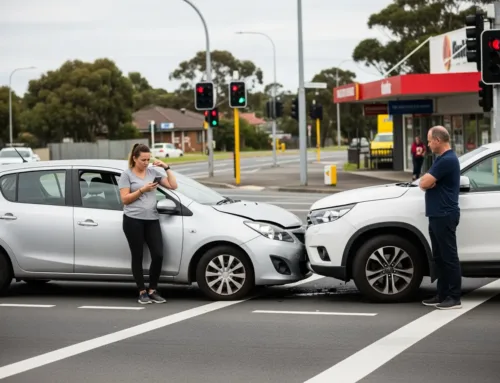
Australia is facing significant changes to its road safety laws. State governments have flagged sweeping reforms that could fundamentally alter how accident claims are assessed, who bears liability, and what compensation injured parties can pursue.
These aren’t minor adjustments. They represent a potential overhaul of the legal framework governing motor vehicle accidents for decades. For anyone injured in a road accident, or concerned about their legal position after a collision, understanding these changes matters now.
The reforms could affect claims lodged after implementation. The rules in place when an accident occurs determine the available remedies. This creates a narrow window where current claimants operate under existing law, while future accident victims may face an entirely different landscape.
The Current State of Road Safety Legislation
NSW and the Hybrid Compensation Model
NSW operates under the Motor Accident Injuries Act 2017. This replaced the previous fault-based system with a hybrid model. Under this framework, all injured parties receive statutory benefits regardless of fault. These cover medical expenses, lost income, and treatment costs up to defined limits.
For injuries exceeding these thresholds, claimants must prove the other driver was at fault. Only then can they access additional compensation through common law damages.
Motor vehicle accident claims in NSW are assessed under this framework. Understanding where your injury sits – statutory benefits only, or common law eligible – determines the potential value of your claim.
Road Safety Enforcement Framework
Road safety enforcement operates separately under the Road Transport Act 2013. This governs traffic offences, licensing, and penalties. When criminal charges result from serious accidents, those proceedings run parallel to civil compensation claims. They don’t directly determine liability in the civil case.
The current legislation also establishes a “whole person impairment” threshold of greater than 10%. This medical assessment creates a clear dividing line. Injuries below it are resolved through statutory benefits. Those above it are eligible for full common law claims including pain and suffering damages.
Proposed Changes and Their Legal Implications
Stricter Liability Standards for Vulnerable Road Users
One major proposal introduces presumed liability in accidents involving pedestrians, cyclists, and motorcyclists. Under this model, drivers of larger vehicles would bear the burden of proving they weren’t at fault.
This reverses the current system. Currently, an injured cyclist must gather evidence proving the driver breached their duty of care – witness statements, dashcam footage, police reports. Under presumed liability, the driver’s insurer would need to demonstrate the cyclist’s actions caused the accident. This fundamentally shifts investigative costs and evidentiary burdens.
For personal injury claimants who are pedestrians, cyclists, or motorcyclists, this change removes one of the biggest barriers in the current system – the burden of proving someone else’s negligence.
Expanded Definition of Serious Injury
Another proposal reconsiders the 10% whole person impairment threshold. Consultation papers suggest lowering this to 5%. Alternative pathways are also proposed for specific injuries – complex fractures, traumatic brain injuries, and psychological trauma that may not meet the current percentage test but cause substantial life disruption.
Under current law, someone with 9% impairment has no entitlement to a lump sum payment for pain and suffering. That same person under a 5% threshold could pursue full compensation. In severe cases, this could mean the difference between a limited payout and a damages award worth significantly more.
Where injuries result in permanent incapacity for work, a TPD claim through superannuation may provide an additional financial safety net alongside motor accident compensation. These claims run independently of CTP entitlements and can be pursued simultaneously.
Technology-Based Enforcement and Evidence
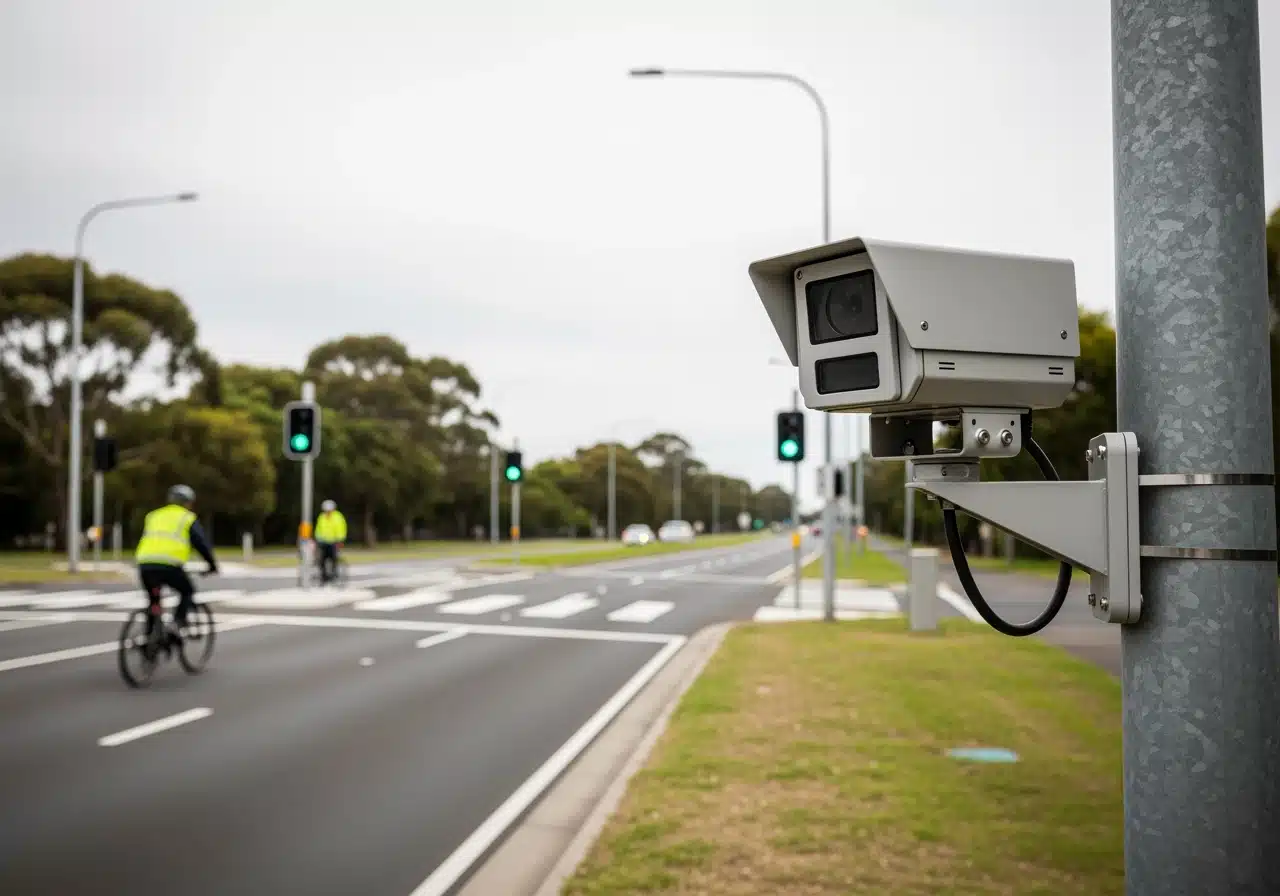
New provisions would explicitly authorise AI-powered traffic cameras to detect mobile phone use, seatbelt violations, and following distance breaches. Evidence from these systems would be admissible in both criminal prosecutions and civil claims.
This creates new evidentiary opportunities for accident claimants. Currently, proving a driver was distracted requires witness testimony, phone records, or an admission. Automated detection systems could provide timestamped, objective evidence of distraction. However, defence lawyers have flagged concerns about accuracy rates and the ability to challenge algorithmic evidence.
How These Changes Would Alter the Claims Process
Goodman Spring is a Sydney-based personal injury law firm assisting injured Australians across NSW with motor vehicle accident, TPD, public liability, workers compensation, and Comcare claims, all on a no win no fee basis.
Immediate Post-Accident Procedures
Under presumed liability rules, the immediate aftermath of an accident becomes even more critical for evidence preservation. Drivers would need to document road conditions, visibility, traffic signals, and the other party’s actions comprehensively.
For injured parties, the shift means less pressure to immediately establish fault. Current practice requires injured people to build their case from day one. While these steps remain valuable, the legal burden no longer rests entirely on proving the other driver’s negligence.
Medical Assessment Timing and Strategy
The proposed lower impairment threshold would change the timing of whole person impairment assessments. Currently, claimants often delay these until maximum medical improvement – sometimes 18 to 24 months post-accident – to ensure the assessment captures the full extent of permanent impairment.
If the threshold drops to 5%, more claimants would qualify earlier in their recovery. This potentially accelerates claim resolution. But it also creates a strategic consideration. An assessment at 12 months might show 6% impairment, qualifying for common law damages. Waiting until 18 months might reveal 11% impairment, significantly increasing the claim’s value.
Experienced motor vehicle accident specialists can provide guidance on assessment timing under proposed threshold changes to maximise compensation prospects.
Insurer Investigation and Defence Strategies
Presumed liability fundamentally changes how insurers investigate and defend claims. Currently, insurers can take a relatively passive approach in minor claims, waiting for the claimant to establish their case. Under presumed liability, immediate and thorough investigation becomes essential.
This likely means increased surveillance, more extensive witness canvassing, and earlier engagement of accident reconstruction experts. For claimants, it translates to more aggressive defence tactics earlier in the process. However, it may also lead to faster settlements in clear-liability cases.
Specific Accident Scenarios and Liability Changes
Cyclist Injuries and Vulnerable Road User Claims
A cyclist proceeds through a green light at an intersection. A driver turning left fails to see the cyclist and causes a collision, resulting in a fractured collarbone and three months off work.
Under current law, the cyclist must establish the driver’s negligence. Under presumed liability, the driver must prove they were not at fault. The cyclist’s road accident compensation claim proceeds from a stronger starting position.
For workers compensation lawyers sydney and NSW-based legal practitioners, this shift in evidentiary burden is among the most significant practical changes proposed. A motor vehicle accident claim assessed under presumed liability looks fundamentally different from one assessed today.
Pedestrian Jaywalking and Contributory Negligence
A pedestrian crosses mid-block at night wearing dark clothing. A driver travelling at the speed limit strikes them, causing traumatic brain injury and permanent cognitive impairment.
Under current law, the pedestrian must prove the driver was negligent. The pedestrian’s jaywalking constitutes contributory negligence, potentially reducing damages by 25 to 50%. Under proposed reforms, the driver is presumed liable despite the pedestrian’s actions. The driver must demonstrate they took all reasonable precautions.
Commonwealth employees injured in road accidents during work duties may also have Comcare workers compensation sydney entitlements running alongside any CTP compensation. These federal entitlements operate under a separate scheme. A Comcare claim can provide additional support for Commonwealth government workers regardless of which driver was at fault.
Insurance Premium Implications and Access to Justice
Premium Increases and System Affordability
Insurance Council modelling suggests the combined effect of presumed liability and a lower impairment threshold could increase CTP premiums by $150 to $200 annually for the average driver. Consumer advocates argue this cost is justified by improved compensation for genuinely injured people.
The current system leaves people with life-altering injuries below the 10% threshold with minimal compensation. The reforms would correct this imbalance.
For injured workers who are also involved in road accidents during work duties, workers compensation entitlements under the NSW scheme may apply alongside CTP benefits. Workers compensation lawyers sydney practices advise that when a road accident occurs during work duties, two parallel compensation streams may be available. NSW workers compensation and CTP entitlements can run simultaneously, and coordinating them properly protects against gaps in coverage.
Access to Legal Representation Under Lower Thresholds
Lower impairment thresholds mean more injured parties qualify for legal representation on contingency fee arrangements. Currently, lawyers often decline cases involving serious injuries that fall below the 10% threshold because the potential recovery doesn’t justify legal costs.
A 5% threshold expands the pool of economically viable claims. This improves access to no win no fee representation for injured parties who couldn’t otherwise afford it. For matters involving premises or public spaces, public liability claims may also intersect with road accident compensation where incidents occur on council or government-controlled infrastructure.
Preparing for the Transition and Getting Legal Advice
Acting Under Current Law During the Transition Window
If these reforms proceed to legislation, a transition period will determine which rules apply to which accidents. The law in force at the time of the accident governs the claim, regardless of when proceedings are filed.
This creates a critical window. For those injured shortly before implementation, acting quickly to lodge claims under the existing framework may be advantageous. For those injured after implementation, understanding the new framework immediately is essential.
Seeking Expert Guidance on Your Specific Circumstances
The proposed road safety laws affect different scenarios in very different ways. A cyclist injury claim looks completely different under presumed liability. A threshold injury case transforms when the qualifying percentage drops. Where permanent disability results from a road accident, a TPD claim through superannuation can provide financial support beyond what CTP covers.
For comcare workers compensation sydney claimants, the reforms may create additional pathways running alongside federal entitlements. Understanding how multiple compensation streams interact – CTP, NSW workers compensation, and Comcare workers compensation sydney entitlements – requires experienced legal guidance.
Every case is different. The outcome depends on your specific circumstances, the nature of your injuries, and which legal framework applies at the time of your accident. Legal advice should be sought for your particular situation.
Conclusion
The proposed road safety laws represent the most significant reform to accident compensation since the Motor Accident Injuries Act 2017. Presumed liability for vulnerable road users, lower impairment thresholds, and technology-driven enforcement would fundamentally reshape how a motor vehicle accident claim is assessed and resolved. For workers compensation lawyers sydney and compensation practitioners nationally, preparing for these changes requires updating both investigative approaches and litigation strategy.
For injured parties, these reforms promise improved access to compensation. For drivers and insurers, they create new responsibilities and costs. For comcare workers compensation sydney claimants specifically, the interaction between federal entitlements and reformed CTP rules will require careful coordination. Understanding how these changes affect your specific circumstances is the most important step you can take, whether you are already in a claim or planning ahead.
For expert guidance on how proposed traffic law reforms affect your accident compensation rights, contact our motor vehicle accident lawyers or call (02) 9261 1799 to discuss your specific situation and options under current or future legal frameworks.