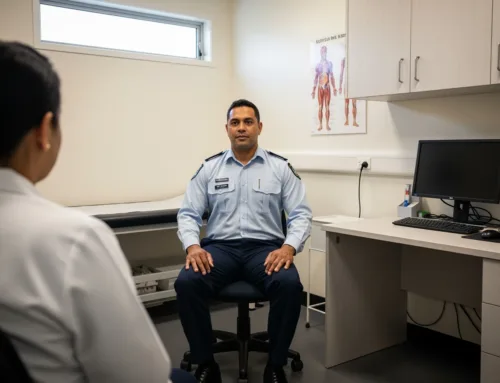
Workplace injuries disrupt lives, causing physical pain, financial stress, and uncertainty about the future. NSW workers who suffer injuries during employment have comprehensive legal protections under the state’s workers’ compensation system. Understanding NSW workplace injury rights ensures injured workers receive proper medical treatment, income support, and compensation while recovering from work-related injuries.
The workers’ compensation scheme operates as a no-fault system – injured workers receive benefits regardless of who caused the accident. This framework balances employer obligations with worker protections, providing swift access to benefits while limiting litigation. However, navigating the claims process, dealing with insurers, and protecting employment rights requires knowledge of legal entitlements and procedural requirements.
This guide examines NSW workplace injury rights, explaining coverage, benefits, claims procedures, and protections against unfair treatment. Whether you’ve suffered a workplace accident, developed a gradual-onset condition, or experienced psychological injury, understanding your rights is the first step toward proper compensation and recovery support.
Overview of NSW workplace injury rights
Workers’ Compensation Coverage in NSW
NSW workers compensation covers most employees injured during work or developing work-related diseases. The Workers Compensation Act 1987 and Workplace Injury Management and Workers Compensation Act 1998 establish this framework. Coverage extends to full-time, part-time, and casual employees, with some exceptions for specific industries and contractor arrangements.
Injuries arising “out of or in the course of employment” qualify for compensation. This includes accidents during regular work duties, injuries during work-related travel, and incidents at employer-sponsored events. The causal connection between work and injury must be established, though the threshold is relatively broad to ensure worker protection.
Independent contractors generally aren’t covered unless they are deemed to be workers for workers’ compensation purposes. The legislation considers multiple factors determining employment relationships, including control, payment structure, and provision of equipment. Some contractors may have coverage under personal accident policies or other insurance arrangements rather than workers’ compensation.
Fundamental Rights After Workplace Injury
Injured workers have the right to medical treatment at the employer’s expense. This includes immediate emergency care, ongoing treatment from chosen doctors (within approved provider networks), specialist consultations, medications, and necessary rehabilitation services. Employers cannot require workers to use specific doctors for initial treatment, though subsequent treatment approvals may involve insurer assessment.
Weekly compensation payments replace lost wages during recovery periods. Workers unable to perform regular duties due to injury receive income support based on pre-injury earnings. Payment rates vary depending on work capacity and injury duration, with the system incentivising return to work through graduated payment structures.
Job protection represents another critical right. Employers must provide suitable duties for injured workers who are able to perform modified work, maintaining employment relationships during recovery. Dismissing workers solely due to workplace injuries violates NSW legislation, triggering potential unfair dismissal claims and discrimination complaints.
Lump Sum Compensation for Permanent Impairment
Workers who sustain permanent impairment from workplace injuries may qualify for lump sum compensation under Section 66 of the Workers’ Compensation Act 1987. Independent medical assessments determine whole person impairment percentages using approved assessment guidelines. Impairment ratings above minimum thresholds trigger entitlement to statutory compensation, with payment amounts corresponding to impairment severity.
Types of Workplace Injuries Covered
Physical Injuries from Workplace Accidents
Workers compensation claims frequently involve traumatic physical injuries. Slips, trips, and falls account for substantial claims, particularly in industries involving manual labour, retail, and hospitality. These accidents cause fractures, sprains, back injuries, and head trauma, requiring extensive treatment and time off work.
Machinery accidents and crushing injuries represent serious workplace hazards. Manufacturing, construction, and agricultural workers face risks from equipment operation, material handling, and vehicle movements. These incidents can cause severe injuries, including amputations, crush injuries, and life-altering disabilities requiring permanent support.
Motor vehicle accidents during work duties also fall under workers compensation coverage when employment constitutes a substantial contributing factor. Delivery drivers, sales representatives, tradespersons travelling between job sites, and employees running work errands qualify for benefits when injured in traffic accidents.
Repetitive strain injuries develop gradually from repeated movements or sustained postures. Occupations involving computer use, assembly line work, lifting, and repetitive manual tasks can cause conditions like carpal tunnel syndrome, tendonitis, and chronic back problems, qualifying for workers’ compensation.
Psychological Injuries and Work-Related Stress
Psychological injury claims require demonstrating that employment substantially contributed to the condition. Work-related stress, anxiety, depression, and post-traumatic stress disorder may qualify when workplace factors predominate over other life stressors. The legislation imposes stricter threshold requirements for psychological claims compared to physical injuries.
Workplace bullying, harassment, and traumatic incidents can cause compensable psychological injuries. Workers exposed to threatening behaviour, systematic mistreatment, or witnessing traumatic events may develop mental health conditions warranting compensation. However, claims arising solely from reasonable management action taken in a reasonable manner are excluded.
Medical evidence proving work causation is essential for psychological claims. Treating psychologists and psychiatrists must provide detailed reports establishing the link between workplace factors and diagnosed conditions, addressing alternative causes and demonstrating employment’s substantial contribution.
Occupational Diseases and Illnesses
Gradual-onset diseases from workplace exposure qualify as work injuries when employment is a substantial contributing factor. Asbestos-related diseases, silicosis, hearing loss from noise exposure, and respiratory conditions from dust or chemical exposure represent common occupational disease claims.
Proving causation for occupational diseases requires detailed employment history, exposure evidence, and medical opinions linking workplace conditions to diseases. Latent conditions emerging years after exposure remain compensable if causation is established, though time limit considerations apply.
Immediate Steps After Workplace Injury
Reporting Your Injury to Your Employer
NSW law requires workers to notify employers about injuries as soon as practicable. Prompt reporting protects claim rights and enables early intervention. Verbal notification suffices initially, though written injury reports create documentation supporting subsequent claims.
Injury notifications should describe how, when, and where injuries occurred, identify witnesses, and detail symptoms experienced. Employers must provide injury report forms and cannot discourage workers from making reports. Failing to report injuries promptly may complicate claims but doesn’t automatically void entitlements if reasonable explanations exist for delays.
Seeking Medical Treatment
Injured workers should seek immediate medical attention for serious injuries. Employers cannot prevent workers from obtaining emergency treatment. For non-emergency injuries, workers can choose their treating doctors from approved provider networks, though some employers have preferred provider arrangements.
Medical certificates documenting injuries and work capacity are essential for compensation claims. Doctors assess fitness for regular duties, capacity for modified work, and treatment requirements. These certificates guide insurer decisions about benefit payments and return-to-work planning.
Preserving Evidence
Comprehensive evidence strengthens compensation claims. Photographing accident scenes, equipment involved, and visible injuries creates contemporaneous records. Witness statements from colleagues who observed accidents or can confirm workplace conditions support injury occurrence and causation.
Maintaining personal injury diaries documenting symptoms, treatment, functional limitations, and injury impacts provides detailed evidence for claim assessment. These records prove particularly valuable when disputes arise about injury severity or work-relatedness.
Understanding Workers Compensation Benefits in NSW
Weekly Compensation Payments
Weekly payments replace wages lost due to work injuries. Payment calculations depend on pre-injury average weekly earnings, typically based on earnings from the year before injury. Workers with total incapacity receive higher payment rates than those with partial capacity to work.
First 13 weeks of incapacity attract payments at approximately 95% of pre-injury earnings, subject to maximum caps adjusted annually. After 13 weeks, payment rates reduce to approximately 80% of pre-injury earnings for workers with ongoing total incapacity. Workers with partial capacity receive payments reflecting the difference between pre-injury earnings and current earning capacity.
Maximum entitlement periods apply based on work capacity and whole person impairment levels. After two years post-injury, workers’ face stricter eligibility requirements, needing at least to be assessed at 21% whole person impairment to continue receiving weekly payments beyond 130 weeks. For workers making a claim for psychological injury after 1 July 2026, it’s likely workers will need to be assessed at 25% whole person impairment to be able to claim ongoing weekly payments.
Medical and Rehabilitation Expenses
Worker’ compensation covers reasonable and necessary medical treatment costs. This includes general practitioner consultations, specialist appointments, physiotherapy, surgery, medications, medical imaging, and psychological treatment. Insurers typically pay providers directly through approved fee schedules.
Rehabilitation expenses, including occupational therapy, exercise physiology, and vocational rehabilitation, are covered when necessary for recovery and return to work. Travel costs for treatment attendance are reimbursable at prescribed rates, including public transport fares or motor vehicle kilometre allowances.
The length of time you are entitled to claim medical expenses is determined by your level of whole person impairment. 10% or below and you have access to medical expenses for 2 years. From 11-20%, you have access to medical expenses for 5 years (physical conditions). For 21% and above, you have access to medical expenses for life. Workers suffering from psychological conditions who make a lump sum claim after 1 July 2026, will have to suffer from 25% or more to access medical expenses for life.
Lump Sum Compensation for Permanent Impairment
Section 66 lump sum payments compensate workers for permanent impairment resulting from workplace injuries. After reaching maximum medical improvement, workers undergo independent medical assessments determining whole person impairment percentages across affected body systems.
Minimum impairment thresholds must be met for entitlement – generally 11% whole person impairment for physical conditions and likely until 1 July 2026, 15% for psychological conditions. Lower thresholds apply to certain body parts. Workers suffering from a psychological condition who make their lump sum claim after 1 July 2026, will likely need to meet a higher threshold of 25% Payment amounts prescribed by legislation based on impairment percentages, with more severe impairments attracting higher compensation.
Pain and suffering compensation (Section 67) becomes available when permanent impairment exceeds 15% whole person impairment For workers suffering from psychological injuries, this is likely to increase to 25% for all lump sum claims made after 1 July 2026. This additional payment recognises non-economic losses beyond functional impairment.
Return to Work Support
Employers must provide suitable duties for injured workers with the capacity for modified work. Goodman Spring assists workers navigating return-to-work processes, ensuring duties match medical restrictions and employers fulfil legislative obligations.
Rehabilitation programs help workers regain capacity through graduated return-to-work plans, workplace modifications, and vocational support. Insurers fund necessary retraining when injuries prevent return to pre-injury occupations. Job placement services assist workers requiring alternative employment due to permanent restrictions.
The Workers Compensation Claims Process
Lodging Your Claim
Workers initiate claims by submitting prescribed claim forms to employers or insurers. Claims must include injury details, medical certificates, and supporting documentation. Employers forward claims to their insurers within prescribed timeframes, typically 48 hours for serious injuries.
Insurers have 21 days to accept or decline liability after receiving properly completed claims. During investigations, insurers may accept provisional liability and commence benefit payments while assessing claims. Provisional acceptance doesn’t guarantee ongoing liability but provides immediate support for injured workers.
Insurer Investigation and Decision
Insurers investigate claims by reviewing medical evidence, obtaining employment records, interviewing workers and witnesses, and assessing whether injuries arose from employment. They may require independent medical examinations, workplace inspections, or surveillance in disputed cases.
Liability determinations depend on whether injuries satisfy workers’ compensation definitions and arose out of or in the course of employment. Insurers denying claims must provide written reasons and information about dispute resolution rights.
Appealing Declined Claims
Workers disputing insurer decisions can request internal reviews, participate in conciliation through the Personal Injury Commission, or seek binding determinations through arbitration. Legal representation significantly improves prospects of overturning unfair claim denials.
The Personal Injury Commission resolves workers’ compensation disputes through conciliation (voluntary settlement negotiations) and arbitration (binding decisions). NSW workplace injury rights include access to these dispute resolution processes without cost to workers, though legal representation is strongly recommended for complex disputes.
Common Claim Obstacles and How to Overcome Them
Disputed Liability Claims
Insurers sometimes dispute whether injuries occurred at work or whether employment contributed to conditions. Pre-existing injury arguments are common, with insurers contending conditions existed before employment or arose from non-work causes.
Overcoming these disputes requires comprehensive evidence establishing injury occurrence during employment and causal connections between work and injuries. Witness statements, contemporaneous injury reports, and expert medical opinions addressing causation strengthen disputed claims.
Medical Evidence Challenges
Inconsistent medical opinions can undermine claims. When treating doctors and independent medical examiners disagree about injury severity, work capacity, or causation, claims face difficulties. Obtaining supportive specialist reports from credible experts in relevant medical fields helps counter adverse opinions.
Workers should maintain consistent treatment relationships, attend all scheduled appointments, and follow prescribed treatment plans. Gaps in treatment or non-compliance with medical recommendations allow insurers to argue injuries aren’t as severe as claimed or workers aren’t genuinely attempting recovery.
Dealing with Claim Delays and Benefit Termination
Unreasonable delays in claim decisions disadvantage injured workers facing financial pressures without income support. When insurers exceed decision timeframes without justification, workers can escalate matters through complaints to regulators or Personal Injury Commission applications.
Benefit terminations require proper notice and valid reasons. Insurers cannot arbitrarily cease payments without medical evidence supporting work capacity changes or claim disputes. Challenging unreasonable terminations through dispute resolution protects workers’ ongoing entitlements.
Protection Against Workplace Discrimination
Rights When Returning to Work
Employers must make reasonable adjustments to accommodate injured workers’ medical restrictions. This includes modifying duties, providing additional training, adjusting work hours, or implementing workplace modifications. Refusing to accommodate restrictions without valid operational reasons may breach anti-discrimination legislation.
Public liability considerations arise when workplace conditions contribute to employee injuries. Employers who fail to maintain safe premises or adequate safety systems may face negligence claims in addition to workers’ compensation obligations.
Unfair Dismissal and General Protections Claims
Dismissing employees because they’ve claimed workers’ compensation or suffered workplace injuries violates Fair Work Act protections. Adverse action provisions prohibit employers from taking detrimental action against employees exercising workplace rights, including claiming compensation.
Workers dismissed in these circumstances can lodge unfair dismissal or general protections claims with the Fair Work Commission within 21 days. Successful claims may result in reinstatement, compensation for lost income, or other remedies. Understanding NSW workplace injury rights includes recognising these employment protections and acting promptly when rights are violated.
When to Consider Common Law Claims
Work Injury Damages Beyond Workers’ Compensation
Workers with permanent impairment exceeding 15% whole person impairment may pursue work injury damages claims – common law negligence claims against employers seeking additional compensation beyond workers’ compensation benefits. These claims require proving that employer negligence caused injuries.
Work injury damages provide compensation for economic losses (past and future income loss, medical expenses, domestic care costs) and non-economic losses (pain, suffering, loss of enjoyment of life). Compensation levels can substantially exceed workers’ compensation statutory payments, particularly for severe permanent injuries.
From 1 July 2026, it’s likely workers suffering from psychological conditions will need to be at least 25% whole person impairment to pursue a work injury damages claim.
Proving Employer Negligence
Negligence claims require establishing that employers owed duties of care, breached those duties through inadequate safety measures, and injuries resulted from these breaches. Evidence demonstrating unsafe work systems, inadequate training, defective equipment, or known hazards that employers failed to address supports negligence claims.
Expert evidence from safety professionals, engineers, or industry specialists may be necessary to establish safety standard breaches. Witness testimony about workplace conditions and employer knowledge of hazards strengthens causation arguments.
Conclusion
NSW workplace injury rights provide comprehensive protections ensuring injured workers receive medical treatment, income support, and fair compensation. The workers compensation system offers no-fault benefits covering most work-related injuries and diseases, while additional remedies exist for workers suffering permanent impairment through employer negligence.
Understanding your entitlements empowers informed decisions during recovery. From reporting injuries and lodging claims to navigating disputes and protecting employment rights, knowledge of legal frameworks ensures proper benefit receipt and prevents unfair treatment.
Complex claims, disputed liability, and permanent injury scenarios benefit from experienced legal guidance. Goodman Spring’s workers compensation specialists understand NSW legislation, claims processes, and dispute resolution mechanisms. We represent injured workers on a no win no fee basis, removing financial barriers to justice. If you’ve been injured at work, contact us for a confidential consultation. We’ll assess your situation, explain your entitlements, and fight for the compensation you deserve.