The minutes after a car accident feel surreal. Your hands might be shaking, your heart’s racing, and you’re trying to figure out if you’re hurt while also wondering what you’re supposed to do next. It’s overwhelming because you’re dealing with shock, possible injuries, and the immediate pressure to handle something you’ve probably never dealt with before.
Most people don’t know what to do after a crash, and that’s completely normal. But the steps you take in those first hours and days can significantly affect your ability to make a car accident claim in NSW. The focus isn’t on being perfect under pressure – it’s about knowing a few crucial things that’ll protect your rights and health when everything feels chaotic.
Your Safety Comes Before Everything Else
Check yourself for injuries first. Adrenaline masks pain, so what feels like a minor ache might actually be more serious. If you’re hurt, can’t move properly, or feel dizzy, don’t try to be tough about it – call 000 immediately.
If you can safely exit your vehicle and you’re not seriously injured, check on other people involved. But here’s what many people don’t realise: you shouldn’t move anyone who’s injured unless there’s immediate danger like fire or oncoming traffic. Moving someone with a spinal injury can cause permanent damage.
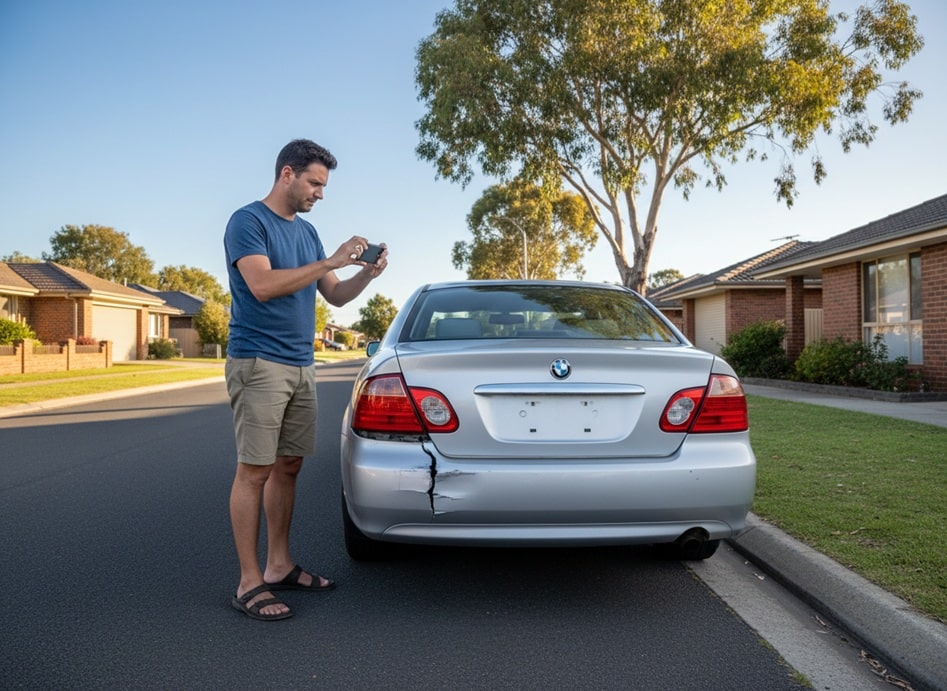
Make the scene as safe as possible. Turn on your hazard lights, and if you’ve got a warning triangle, set it up. If the accident is blocking traffic and the cars can be moved without causing further damage, NSW law actually requires you to move them to the side of the road. But take photos first – those images matter for your claim.
The Police Report You Might Not Realise You Need
You must report the accident to the police if anyone is injured, killed, or if the other driver seems affected by alcohol or drugs. You’ve got to do this immediately by calling 000.
Even when there’s no obvious injury, reporting to police within 24 hours protects you.
You can report non-injury accidents at your local police station or online through the NSW Police website. Get a copy of the report or at least the event number. This documentation becomes crucial evidence if the other party changes their story or if injuries appear days later.
Exchange Details (Even When It’s Awkward)
You’re legally required to exchange certain information with the other driver, and they’re required to give it to you. This includes full names, addresses, phone numbers, driver’s licence details, vehicle registration numbers, and insurance information.
It feels awkward, especially if the other person’s upset or aggressive. But you need this information to make a car accident claim in NSW. If someone refuses to provide their details or becomes threatening, don’t escalate the situation – just note their registration number and call the police.
Take photos of their driver’s licence and registration papers if they’ll allow it. It’s faster than writing everything down, and you won’t accidentally record the wrong number. Also, photograph all vehicles involved from multiple angles, the overall accident scene, any skid marks, road signs, and damage to property.
The Witness Details You’ll Be Grateful You Collected
If anyone saw what happened, get their contact information. Witnesses are incredibly valuable because they’re neutral third parties who can verify your version of events.
People are usually willing to help in the moment, but they won’t track you down later. Ask for their full name and phone number, and if they’re comfortable, a brief recording on your phone describing what they saw. Even something as simple as “I saw the blue car run the red light” can strengthen your claim substantially.
Don’t skip this step even if you think the fault is obvious. Insurance companies look for any reason to reduce payouts, and independent witnesses make their job much harder.
Medical Assessment Isn’t Optional
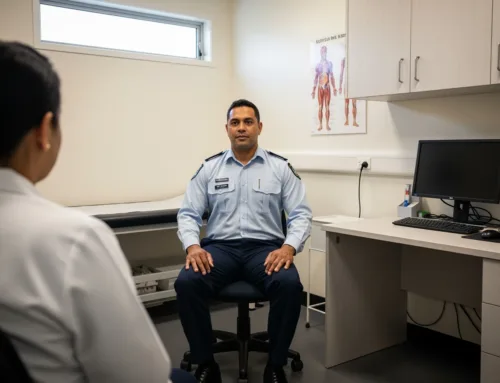
See a doctor within 24 hours, even if you feel fine. Some injuries like whiplash, concussion, and internal bleeding don’t show symptoms immediately. That gap between the accident and your first medical visit gives insurance companies ammunition to argue your injuries aren’t accident-related.
Tell your doctor about every symptom, no matter how minor it seems. Mention that headache, that stiff neck, that bruise on your ribs. These details go into your medical records, which become evidence in your claim. If you downplay your injuries, trying to be stoic, that medical record will work against you later.
Keep every medical certificate, specialist referral, scan result, prescription, and receipt related to your treatment. Create a folder – physical or digital – and put everything in it. You’ll need this documentation when you make your claim, and trying to chase down medical records months later is frustrating and sometimes impossible if practices have closed or changed systems.
Understanding NSW’s Compulsory Third Party Insurance
Every registered vehicle in NSW has Compulsory Third Party (CTP) insurance, which covers injuries to people, not property damage. This is crucial to understand because it means if you’re injured in an accident, the at-fault driver’s CTP insurer is responsible for compensating you.
Your property damage claim (for your vehicle, phone, glasses, etc.) goes through either your own comprehensive insurance or the at-fault driver’s property insurer. These are separate claims with separate processes. Many people get confused and frustrated because they’re dealing with two different insurance companies for one accident.
At Goodman Spring, we’ve supported thousands of NSW clients with their compensation claims, and one of the most common questions we hear is about this split between injury compensation and property damage. It’s not intuitive, but once you understand it, the process makes more sense.
Why You’re Feeling Overwhelmed (and Why That’s Normal)
You’re managing pain, medical appointments, time off work, financial stress from lost income, dealing with insurers who speak in confusing jargon, and trying to get your car repaired or replaced. Meanwhile, you’re also trying to recover physically and emotionally from a traumatic event.
It’s completely reasonable to feel like you’re drowning. The system isn’t designed with injured people in mind – it’s designed to process claims efficiently for insurers. That’s not your fault, and struggling with it doesn’t mean you’re doing something wrong.
Most people hesitate to get legal help because they worry about costs or think their claim isn’t “serious enough.” But here’s the reality: our experienced motor vehicle accident lawyers work on a No Win, No Fee basis, which means you don’t pay unless we secure compensation for you. And there’s no minimum threshold for getting advice – whether you’ve got whiplash or a catastrophic injury, you deserve to understand your rights.
What You Can Claim For (It’s More Than You Think)
Car accident claims in NSW can include compensation for medical expenses, lost wages (both past and future), pain and suffering, loss of quality of life, domestic assistance if you can’t do household tasks, and rehabilitation costs.
People often forget to claim things like taxi fares to medical appointments, prescription costs, or the wages they lost taking unpaid leave for treatment. These add up significantly, especially if your recovery takes months or years.
If your injuries prevent you from returning to your previous work, you might also be entitled to compensation for loss of earning capacity. Consider this scenario: if you were a carpenter earning $80,000 annually but can now only do light administrative work, earning $45,000, that $35,000 difference matters for potentially decades. That’s not a small claim – it’s your financial future.
The Time Limits You Can’t Afford to Miss
NSW has strict time limits for car accident claims. You have 28 days to report the accident to the police and lodge an Accident Notification form for early treatment expenses. You then have three months to lodge an Application for Personal Injury Benefits form and three years to make a common law claim for damages. Miss those deadlines, and you’ll likely lose your right to claim entirely, no matter how severe your injuries.
There are some exceptions for children or people who didn’t immediately realise they were injured, but these are complex legal areas. The safest approach is to start the claims process well before the three-year mark.
Dealing With Insurance Companies (They’re Not Your Friends)
The at-fault driver’s insurer will likely contact you quickly. They’ll seem helpful and sympathetic. They might offer a quick settlement to “make things easier for you.” This feels tempting, especially when you’re stressed and need money for medical bills.
But early settlement offers are almost always significantly less than what your claim is actually worth. Insurance companies know that injuries can worsen, that psychological impacts emerge over time, and that your initial medical assessment might not capture the full extent of your injuries. They’re banking on you accepting less before you realise how much you actually need.
You’re not required to give a recorded statement to the other party’s insurer, and you shouldn’t without legal advice. Anything you say can be used to minimise or deny your claim. It’s not about being difficult – it’s about protecting yourself from questions designed to trip you up.
The Guilt That’s Probably Sitting in the Background
Even when an accident clearly wasn’t your fault, many people feel guilty about claiming compensation. You might feel like you’re being greedy, or that the other driver didn’t mean to hurt you, or that you should just “get on with it.”
This guilt is misplaced. Compensation isn’t about punishing the other driver – it’s about making you whole again after someone else’s negligence caused you harm. The other driver has insurance precisely for this purpose. You’re not taking money from their pocket; you’re claiming from an insurance policy they’re legally required to have.
You didn’t ask to be injured. You didn’t choose to have your life disrupted, your income reduced, or your body damaged. Claiming what you’re legally entitled to isn’t selfish – it’s practical and necessary.
When Your Injuries Affect Your Work Long-Term
Some car accident injuries don’t heal in weeks or months. Back injuries, traumatic brain injuries, psychological trauma, and chronic pain can permanently change your ability to work.
If you can’t return to your job, or can only work reduced hours, or need to retrain for a different career, these factors dramatically increase the value of your claim. But they also make the claims process more complex because you’re now projecting future losses, not just claiming for expenses you’ve already incurred.
This is where expert evidence becomes crucial. Occupational therapists, vocational assessors, and economists can provide reports that demonstrate how your injuries will affect your earning capacity over your working life. The State Insurance Regulatory Authority (SIRA) provides resources about the claims process, but navigating the evidence requirements often needs professional legal support.
For severe injuries that prevent you from ever returning to work, you may also want to explore making a Total and Permanent Disability claim through your superannuation fund, which provides additional financial support beyond your CTP claim.
If You’ve Suffered Due to Someone Else’s Negligence
Sometimes accidents involve more than just standard negligence. If the other driver was drunk, texting, or driving recklessly, you might feel angry that their choices caused your suffering. That anger is valid.
Whether your case involves standard negligence or something more serious, our team provides practical support for injured workers and accident victims across NSW. We understand the emotional weight of these situations, not just the legal technicalities.
The Documentation That Strengthens Your Claim
Keep a daily journal documenting your pain levels, how the injuries affect your daily activities, medical appointments, and how you’re feeling emotionally. This doesn’t need to be elaborate – even brief notes on your phone create a contemporaneous record that’s powerful evidence.
Save all receipts related to the accident: medical expenses, parking at hospitals, prescriptions, medical equipment like neck braces or crutches, taxi fares, and even things like meal delivery services if you couldn’t cook due to your injuries.
If you’re off work, get proper medical certificates for every period of absence. Your employer needs these, and so does your claim. Don’t rely on informal arrangements or assume your word is enough – documentation is everything in compensation claims.
Start Here, Not With Perfection
You don’t need to have everything perfectly organised before seeking legal advice. You don’t need to know all the legal terminology or understand how CTP insurance works. You just need to take the first step.
If you’re unsure where to start, contact our team for a free case assessment. We’ll review what happened, explain your options in plain English, and help you understand what your claim might be worth. There’s no pressure, no legal jargon, and no cost for that initial conversation.
The path from accident to compensation isn’t straightforward, and it’s rarely quick. But you don’t have to walk it alone, and you don’t have to figure everything out by yourself. That’s what we’re here for – to handle the complex legal work while you focus on recovery.
Most people wait too long to get help because they think they should be able to manage it themselves, or they don’t want to bother anyone, or they’re worried about costs. But here’s what we’ve learned from handling hundreds of car accident claims NSW: people who get legal support early almost always achieve better outcomes with less stress than those who try to navigate the system alone.
Your accident has already disrupted your life enough. You deserve support, you deserve fair compensation, and you deserve someone in your corner who actually understands NSW compensation law and will fight for what you’re entitled to. That’s not dramatic – it’s just true.